From Category: Malta

Thursday, 6 April 2023


It's been a while. My resolution to share something once a week has been a miserable fail. The thing is, I seem to prefer spending my evenings reading rather than writing because I am usually tired and reading is a more passive activity, but when I'm writing I actually have to think. And then there's the urgent need to get the thoughts about my most recent read on paper, which takes up quite a bit of my time; coupled with the niggling feeling of inadequacy that raises its head every time I read a mind-blowing book. How can I ever compare? I know I don't need to. Because comparisons are odious and all that. But I don't seem to be able to stop myself. So, every so often, I start writing a post with the intention of finishing it and actually pressing the 'Publish' button. But, more often than not, I don't and it languishes in my 'Unpublished Posts' folder for ever.
Blata tal-Melh: Sincerely Loree

Spring is here, a season I enjoy. My husband and I have made plans for a trip to celebrate our 20th anniversary that is coming up in June. I hope to share more about our trip later. We're also hoping to go on a family vacation in summer, preferably to a place that won't be too hot, like Ireland or Scotland, but we haven't really decided yet.

Easter Dessert

With Easter round the corner I've been looking for some easy but stunning cake recipes. We recently visited Guido's Spice Corner in Valletta. It is a tiny shop that sells a variety of spices, herbal teas and, more importantly for me, edible rose petals. I was really excited at the prospect of using them to decorate my Easter dessert. Novel items like edible flowers were hard to come by until fairly recently, so this is the first time I am using rose petals. I'm thinking of making one of the two cakes below and I hope they taste as good as they look.

Raspberries and cream cake with rose petals
Persian Love cake


Blata tal-Melh: Sincerely Loree

Spring Walks

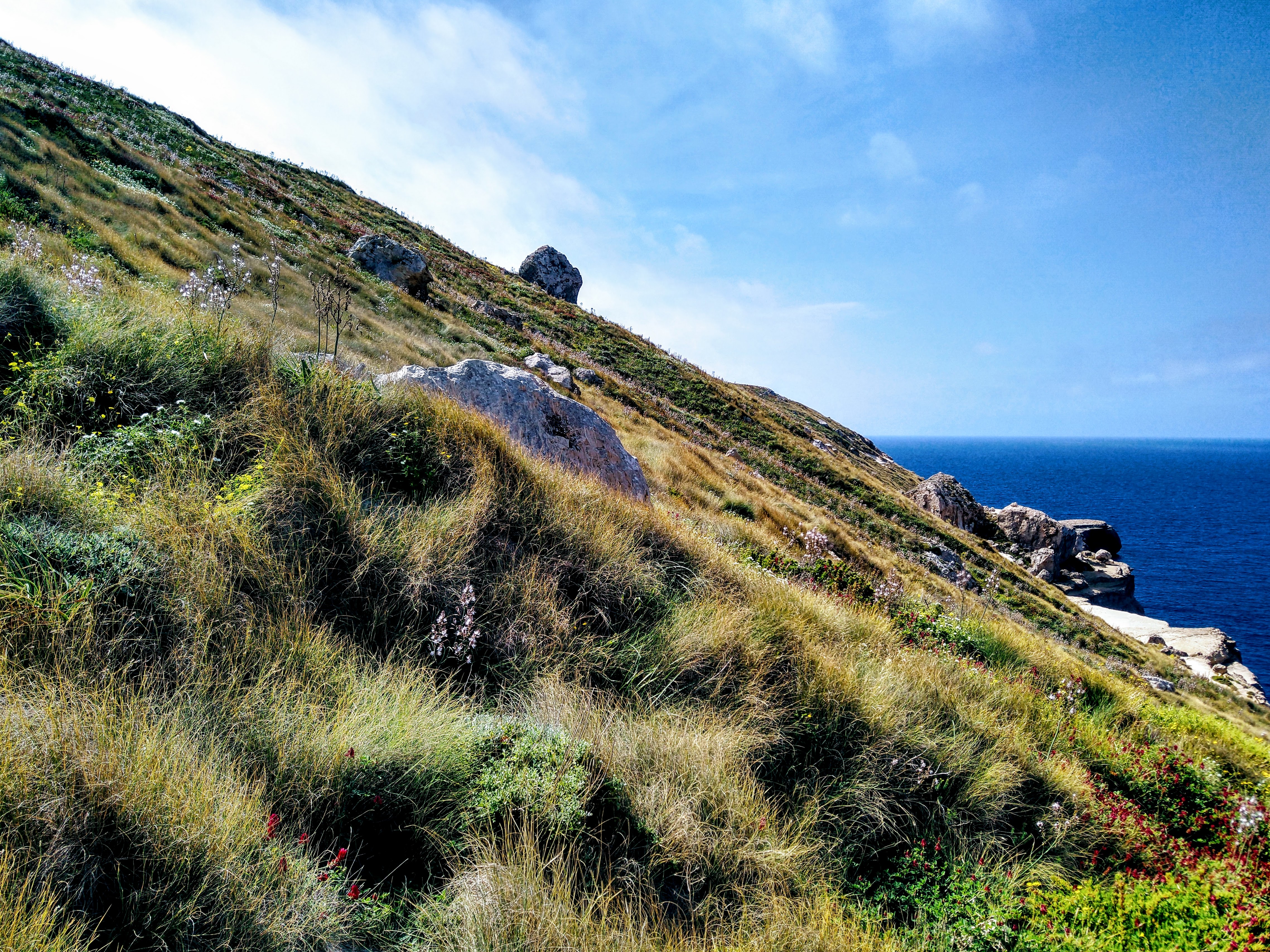
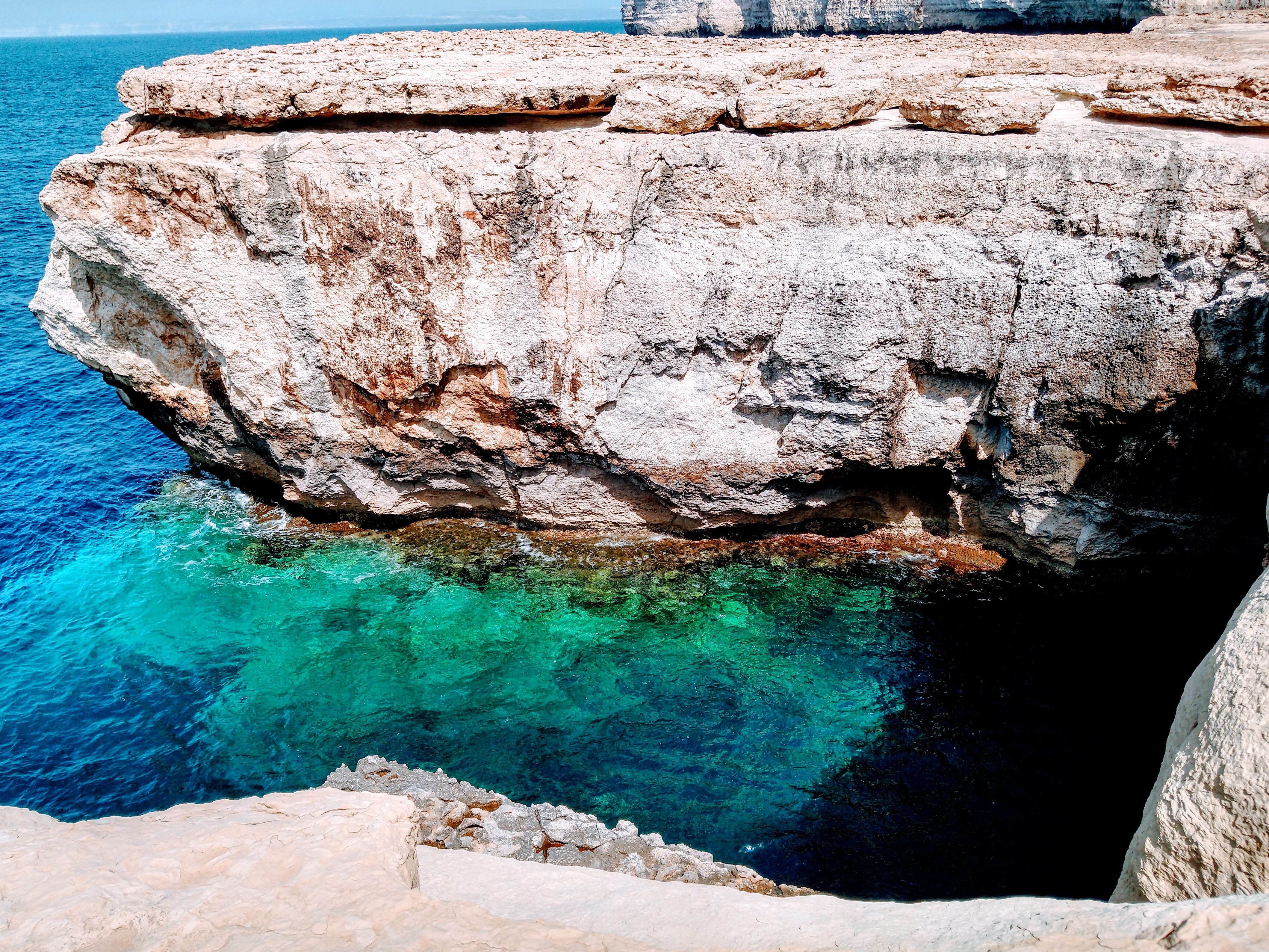
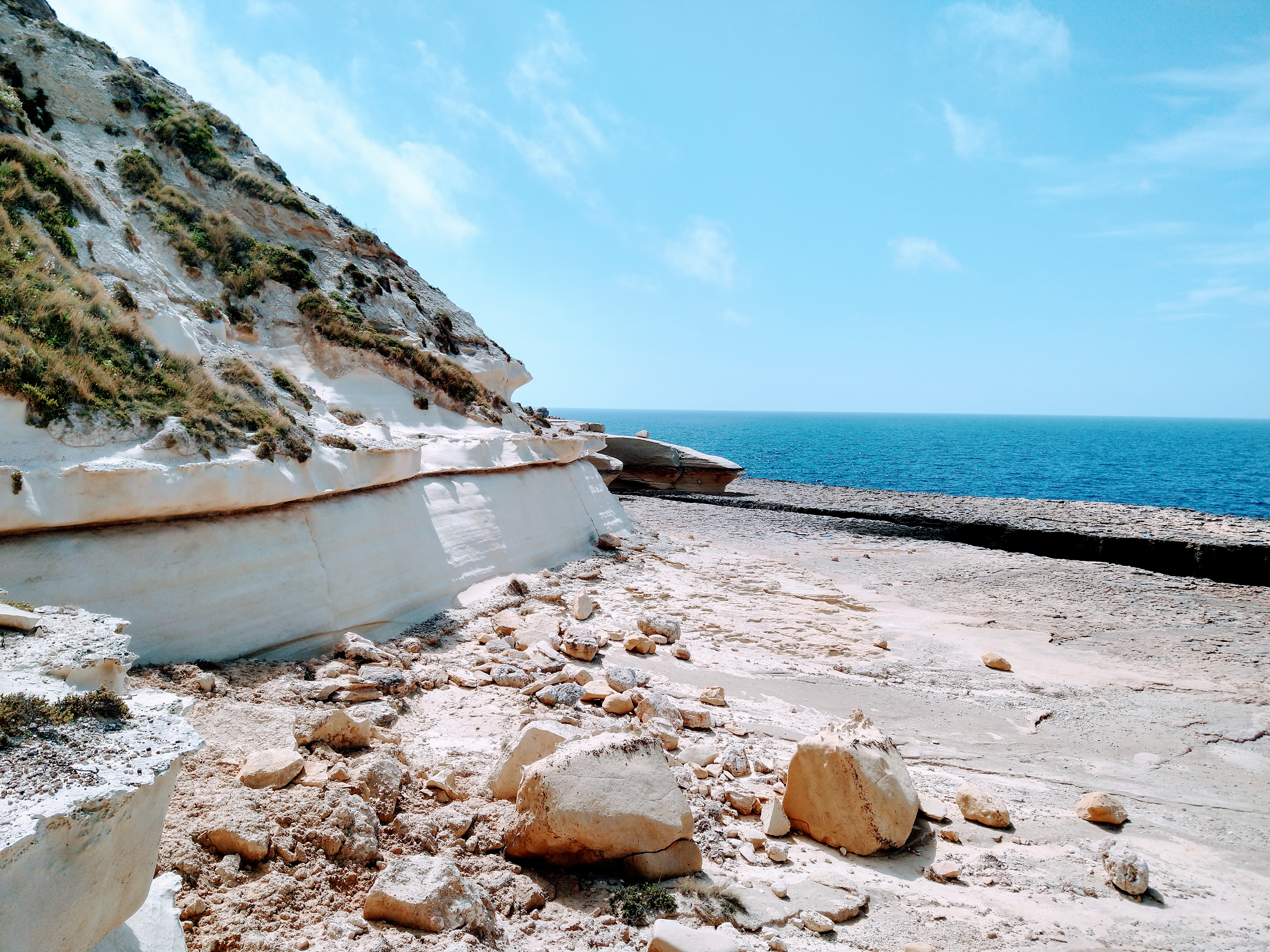
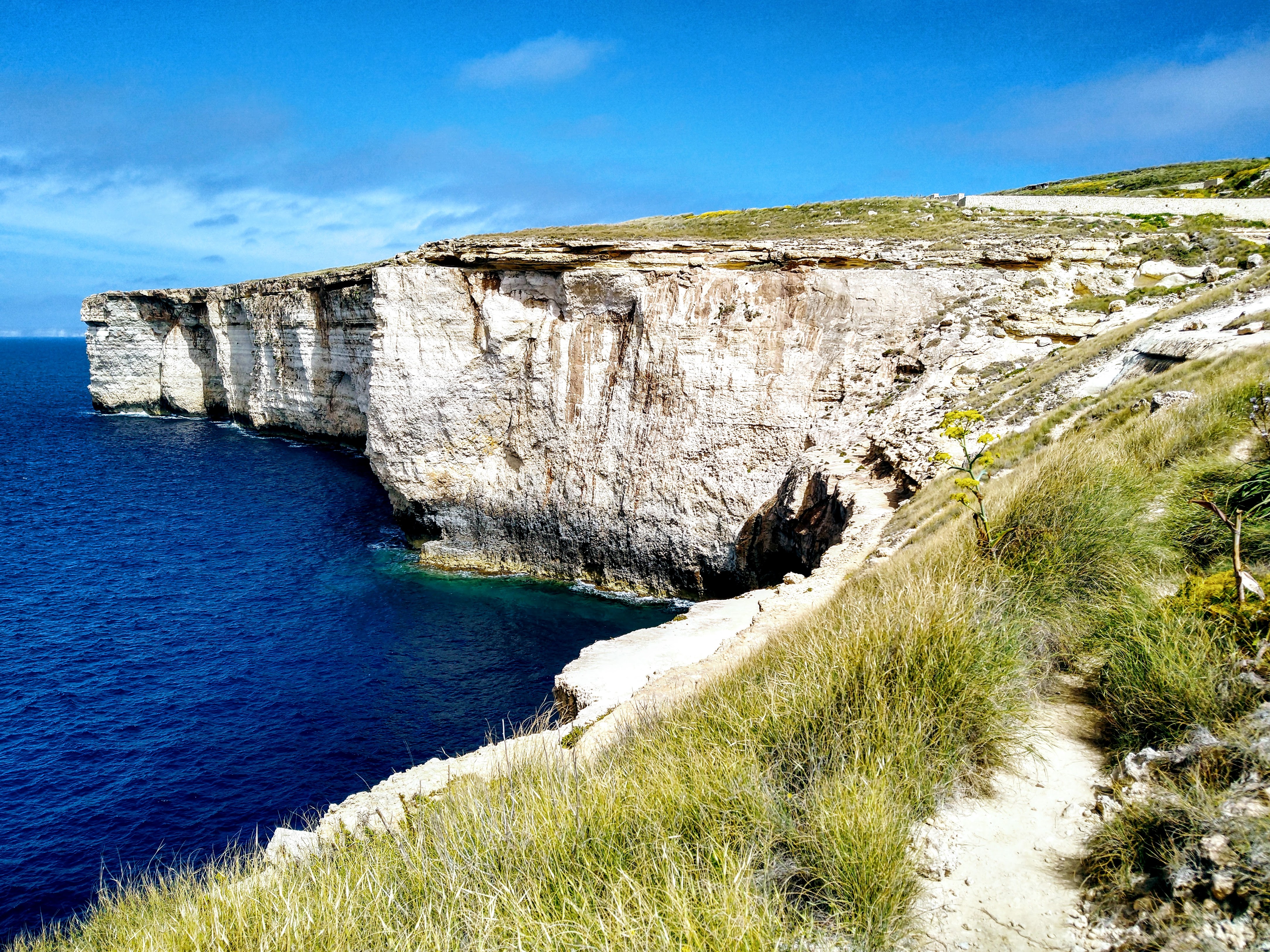
I'm on vacation today and Monday and tomorrow is a public holiday. Which means I hope to have time to relax and do some things I enjoy. Last Friday was also a public holiday and my husband and I went for a walk at Blata tal-Melh. Except for two fishermen in the distance, we were the only ones there. The silence was heavenly. Even though we were several metres above the sea, we could still hear it. It is one of my favourite sounds. It murmurs and signs and booms. Even on the calmest day it will make little  suckling noises like a hungry baby. I hope we will go on some other walks during this long weekend. Being out in the open air is so invigorating and spring is the best time to do it.
Blata tal-Melh: Sincerely Loree


Spring Cleaning

Spring is also the perfect season to declutter. The most difficult decision is where to start but our garage and several closets need to be expurgated of items that we're solely keeping for sentimental reasons, even if they are damaged beyond repair or are no longer useful. I hate having to add our castaways to Malta's ever-growing landfills and we do try to reuse and recycle as much as possible. But there are some culprits, like electronics, that nobody can do much with. We found an old camcorder with videos of our son from when he was 2 or 3 still on it. It was a wonderful surprise to relive those special moments. I wish we'd taken more clips when he was still so young.
Blata tal-Melh: Sincerely Loree


But back to the subject of decluttering, I definitely need to remove a considerable amount of clothes from my closet. I've only worn most of them once or twice but my tastes have changed and I am trying to wear natural fibres as much as possible. It helps with the heat and hot flushes. I'm not sure what to do with the clothes I no longer wear though. A few weeks ago, Kim of  the blog Northern California Style shared some greener options to consider when deciding to purge clothes from your closet. You can read her informative post here. Unfortunately, it is a a bit more difficult to find greener options here in Malta but I recently discovered the FEM Community. This all-female community of small business owners organises monthly markets in spring and autumn and during the run-up to Christmas. They have two options for used clothes that I am considering: selling the clothes myself during one of their monthly Sunday markets or donating the clothes to them to sell. They use the proceeds from sales of clothes towards the volunteer organization Female Entrepreneurs Malta, which raises funds towards learning and growing initiatives for women in business. Of course there are also charity and thrift shops that accept donations, and vintage boutiques like TaylorMaid Vintage and Vogue Xchange, Both of these stores rework items that are no longer wearable into unique pieces. All of these are wonderful initiatives but I've vome to believe that I really should refrain from buying anything just because it is on sale and only purchase items I know that I will wear and love for many years.

Blata tal-Melh: Sincerely Loree


That's about all I have time for today. 

I would like to wish you all a very Happy Easter.

Blata tal-Melh: Sincerely Loree

Location: Blata tal-Melh, March 2023

Tuesday, 5 October 2021

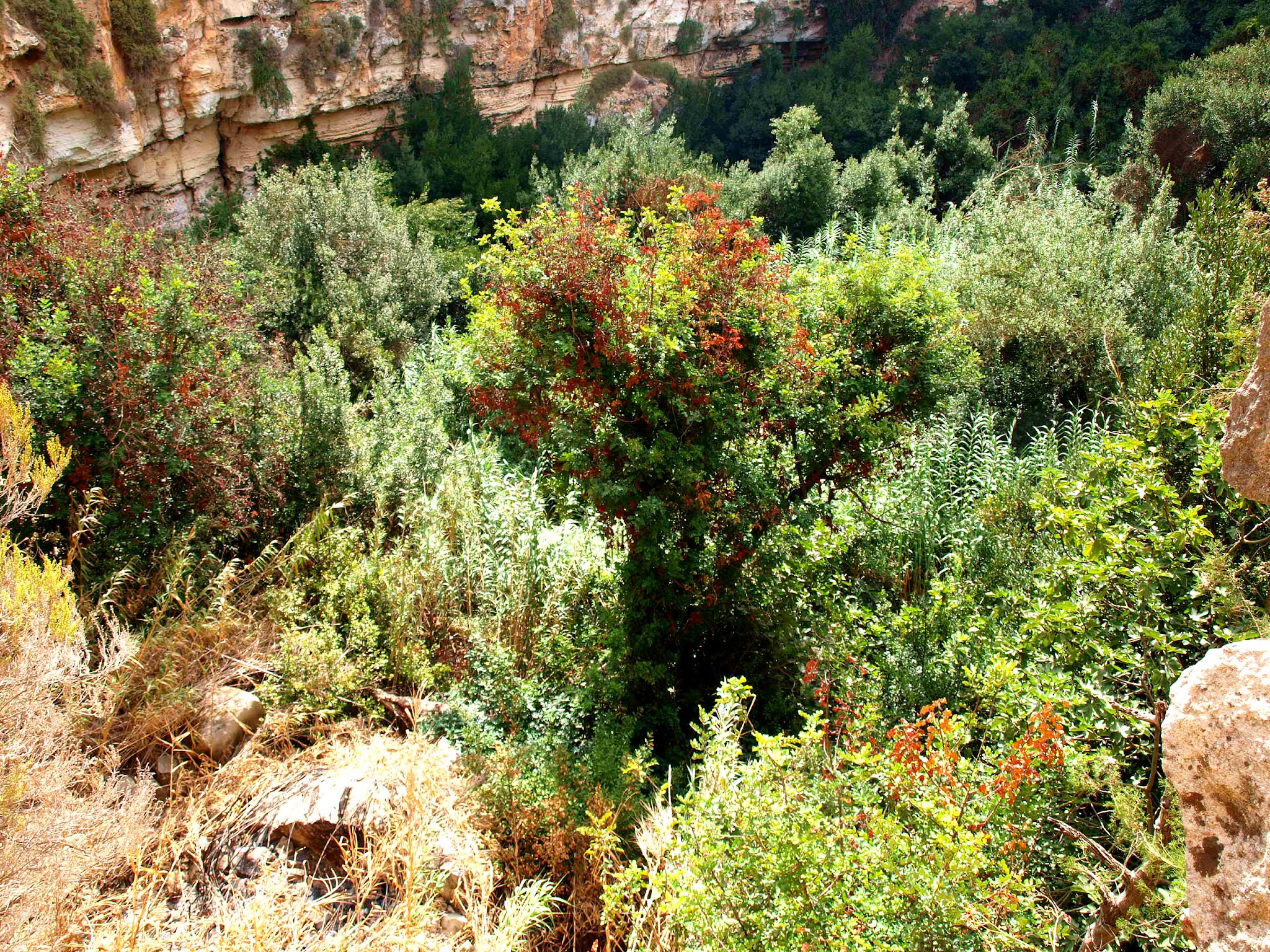
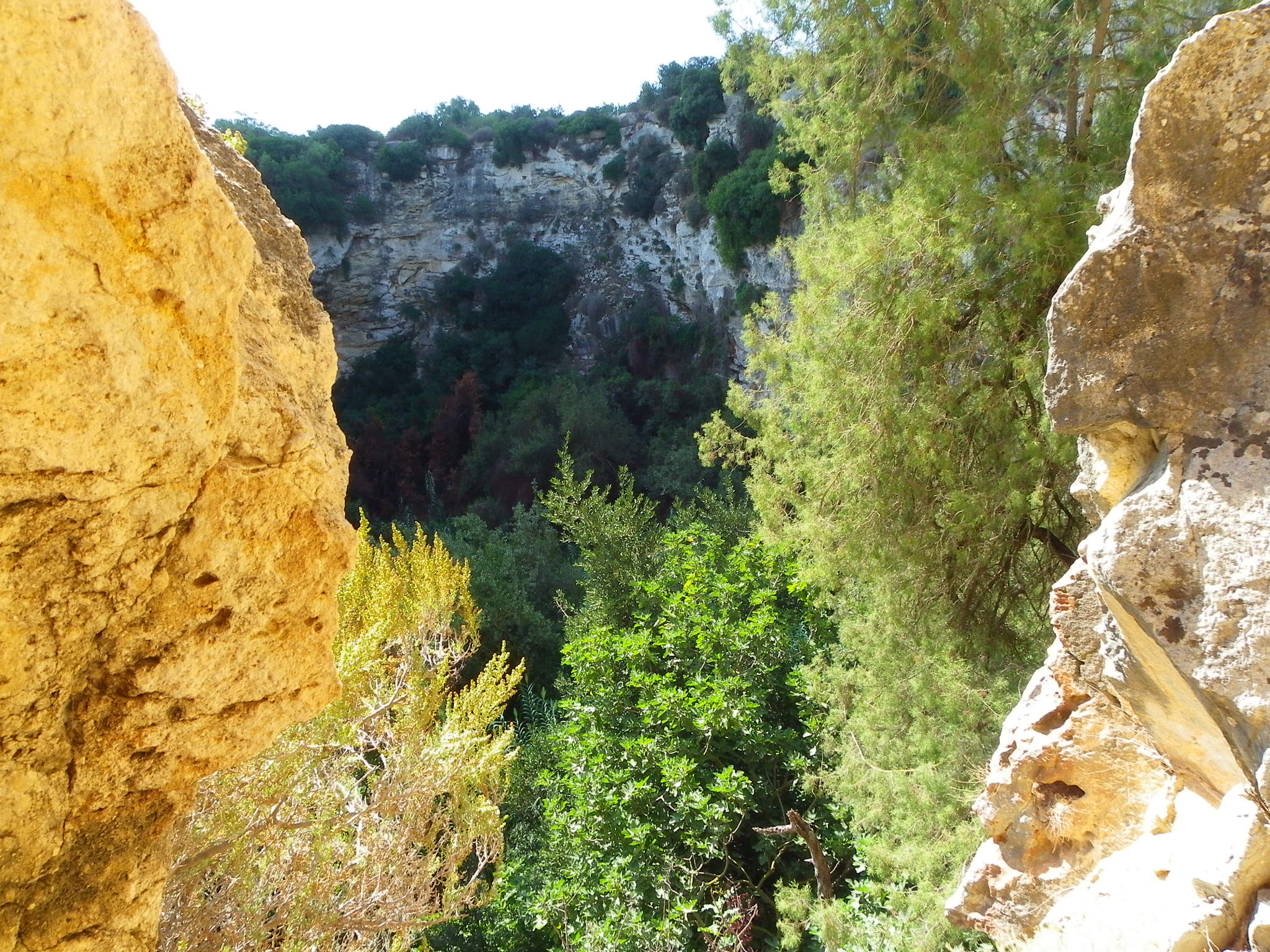
On the outskirts of the village of Qrendi, beneath a chapel dedicated to St  Matthew, is a circular depression in the ground. It is known as ‘Il-Maqluba’ which roughly translates to ‘the overturned'. This natural depression is said to have been formed in 1343 after a particularly severe winter, possibly accompanied by an earthquake. Il-Maqluba was formed by the collapse of the underlying limestone strata. In geological terms, this is known as a doline or sinkhole. The sinkhole itself is 15 metres deep and has a perimeter of 300 metres. It supports a variety of trees such as bay laurel, sandarac gum, carob and hawthorne and other endemic vegetation The sinkhole collects water from the surrounding fields and country-side which accounts for the lush vegetation growing inside it even during the height of summer. That is the scientific explanation for the sinkhole and a possible theory about how it was formed.

Sincerely Loree: Il-Maqluba, Malta

Sincerely Loree: Il-Maqluba, Malta


Sincerely Loree: Il-Maqluba, Malta

But there is, of course, is a more colourful story, the legend recounted by word of mouth from one generation to the next. It is said that a small village of evil people lived right over the area where the depression is today. A pious lady who lived where the chapel of St Matthew is now situated repeatedly warned her neighbours to change their evil ways – to no avail. As a result, God decreed that the ground beneath the village would collapse, sparing no one except the good woman. Angels were then sent to dispose of the hamlet by dumping it at sea. According to this legend this is how the small island of Filfla, a few miles off the south-west coast of Malta, originated. I suppose that this one of those instances when the legend is so much more interesting than the truth.

Sincerely Loree: Il-Maqluba, Malta

Sincerely Loree: Il-Maqluba, Malta

Sincerely Loree: Il-Maqluba, Malta


Tuesday, 6 July 2021

Sincerely Loree: Malta  At War Museum, Birgu

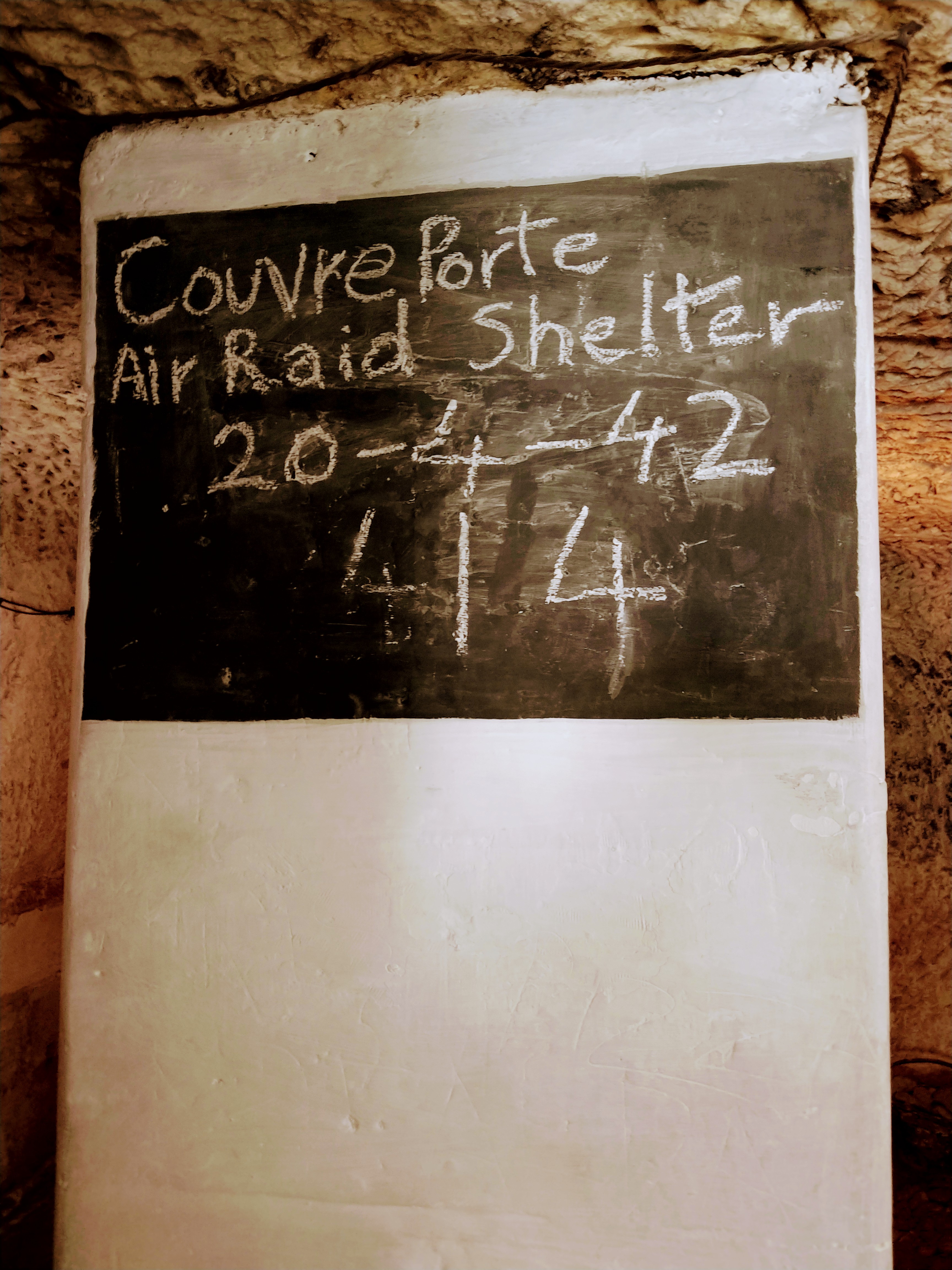
Last week I had a few days off and my son and I paid a visit to the Malta At War Museum. The Malta At War Museum is located in Birgu's Couvre Porte (countergaurd), which forms part of the line of defence on the landward side of town and was built in 1722. The impressive 18th century fortifications were designed by military engineer Charles de Mondion and are worth exploring for their own merit (but preferably on a day when it doesn't feel like you're walking around in a furnace).

The Malta At War museum is dedicated to what I think of as the war on the home front. It is pretty compact and isn't very big on exhibits and artefacts. But there is a wealth of information about life in Malta during WW2 and the daily trials and tribulations of a population that was under constant bombardment from June 1940 until November 1942 and intermittently until the surrender of Italy on September 8th 1943. Coincidentally, Malta had emerged victorious against the armies of Emperor Sulieman on the very same day in 1565. Henceforth, this day became known as Victory Day and is still celebrated as a national holiday.

Many people wonder why such a small island with a total area that is less than 100 square miles was the target of a combined effort by the Regia Aeronautica and the Luftwaffe to bomb or starve it into submission. The answer lies in Malta's strategic position in the centre of the Mediterranean and its proximity to North Africa. From Malta the British air and sea forces could disrupt Axis supplies to North Africa. In fact, the brilliant German general, Erwin Rommel, had warned Hitler that without Malta the Axis powers would lose control of North Africa. It is for this reason that between 16 000 to 17 000 tonnes of bombs were liberally dropped on the island, its inhabitants and its defenders.
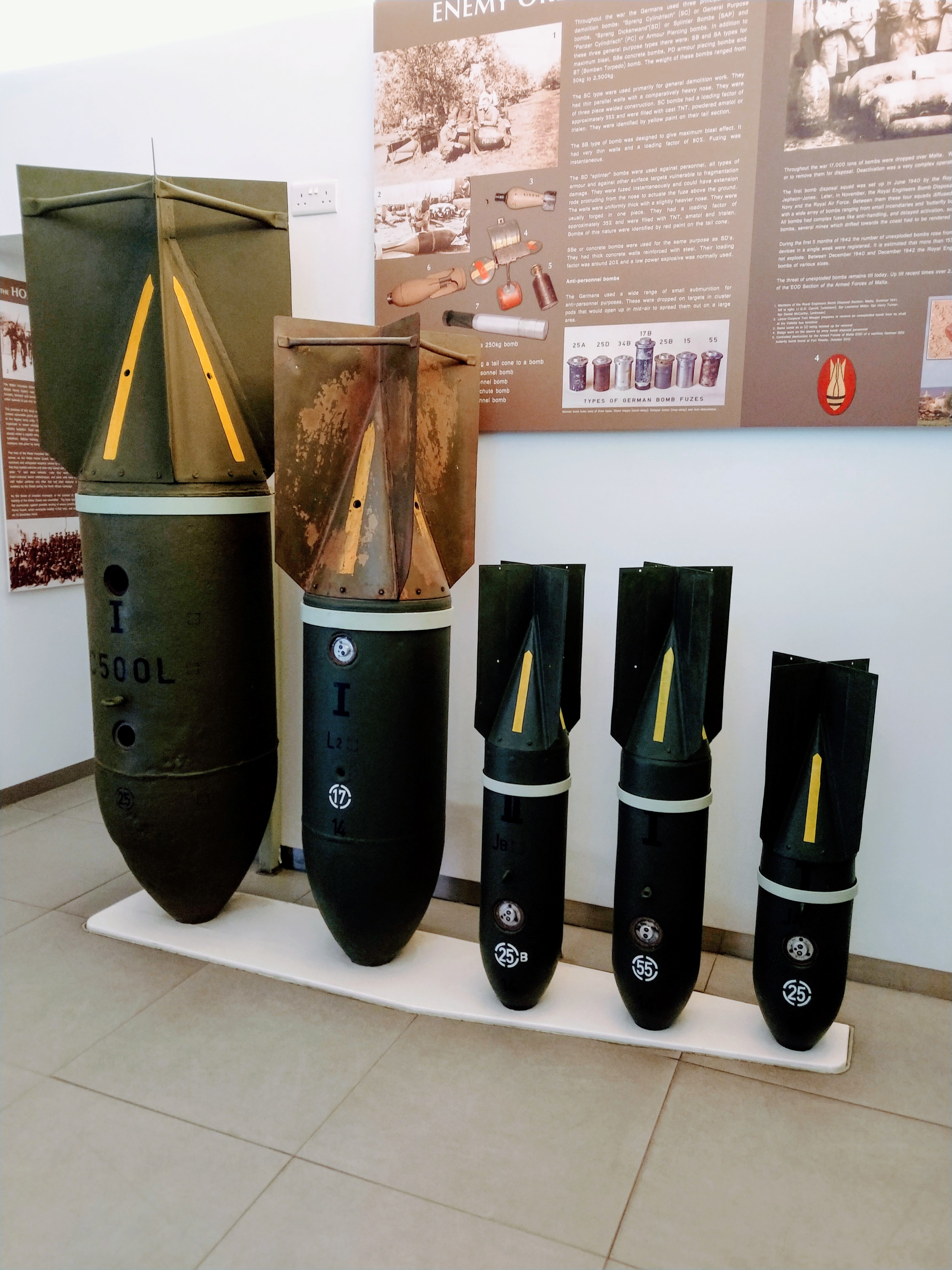

But apart from the facts about the battles, the casualties and the military strategies, what I found equally interesting was the information about the daily life of the Maltese: the rations allotted to each person, the diseases they battled, their fear at the sound of an air raid siren and their frantic rush to get to an air raid shelter on time.

During the worse of the bombardments, between 1940 and 1942, the Maltese passed a lot of their time underground in air raid shelters hewn out of the limestone. At the Malta At War Museum there is a large communal air raid shelter situated several metres underground. Although it felt eerie to be walking in the deserted passageways and through the tiny 'rooms' (each one could not be bigger than 6'x6'x6') where people huddled for shelter, I have to say that this was the highlight of my visit to the museum as I had never been inside an air-raid shelter before. I can only imagine how claustrophobic it must have felt for hundreds of people to be sheltered underground, sometimes for hours on end. 


These underground shelters existed in all the major towns of Malta and there was usually an air-raid warden dedicated to each one. Most people used the communal passageways to shelter in but those that cold afford it dug their own little rooms for more privacy - although doors were not allowed so people installed slatted wooden gates instead. In the one we visited at Birgu the air-raid warden and the parish priest had their own little area and there was even a special area that was designated as the 'birthing room'. I couldn't imagine what it must have felt like for women to give birth under such circumstances and I immediately thought of my two grandmothers who both had two babies each during this time (although, thankfully, they were able to give birth at home). 


For anybody interested in WW2 both the Malta At War Museum and the National War Museum in Valletta are definitely worth a visit.  

I had written about the National War Museum on my old blog here

Please check each museum's website for the current opening hours.
Tuesday, 1 June 2021

Sometimes I feel like a fraud. Both here and on Instagram I share photos of the Malta I love; the unspoilt, quaint Malta that I remember from my childhood. But that Malta is gone and only survives in our memories and in a handful of places. 

Sincerely Loree: Birgu, Malta

The desecration of this island started in the late 70s but, in the past 5 years, it has infiltrated all our towns and villages at a breath-taking speed that is impossible to keep up with. I used to survive by avoiding the ugly places. But now, the 'uglification' of Malta is everywhere. I cannot escape from it but I also cannot bring myself to press the shutter button on my phone or camera to immortalise and share the hideousness with my readers. There are a few pristine places left, like Mdina, Valletta, Birgu, Isla and some town and village cores. But the rest of Malta is subjected to wrecking balls, cranes, dust and debris on a daily basis. Post-war houses are being pulled down everywhere and replaced by soulless concrete apartment blocks several storeys high, because the limestone blocks that were used to build our houses and which gave Malta so much of its character are in very short supply. But these concrete monstrosities stick out like the proverbial sore thumb as concrete will not weather and take on the golden hue that used to characterize our townscapes.

Sincerely Loree: Rabat, Malta

It makes me weep to read that 250 football pitches worth of open space have been built up (and on an island this small, that is an irreversible tragedy) or that a beautiful old house has been 'regenerated' by adding several storeys of modern ugliness on top of it. Admittedly, it did win an award and we're all grateful it wasn't demolished but I can't bring myself to like it. It almost looks like it will crumble under the extra weight.  In the seaside town of Sliema, all the Edwardian and Art Deco-era houses on the promenade have been levelled and replaced by apartments and office blocks. Some might see it as an improvement and proof that Malta is joining the 'modern world' but I beg to differ. I think we've lost our soul. 

Sincerely Loree: Mdina, Malta

Pencil buildings, as they are called, are sprouting up all over the place. I suppose it would be forgivable if there was a sudden population boom. In reality, according to this article from 2013, at least 1/3 of the property on the island is vacant. I can only imagine how much higher that number is today. Moreover, to add insult to injury, property prices have spiralled upwards to ridiculous levels. The irony is that if we sold our home we would only be able to get something equivalent or smaller for the same amount of money. Anything bigger or better would be out of our reach.

Sincerely Loree: Birgu, Malta

Not that I would want to move anywhere. We are blessed to live at the top of a valley in a small military town designed by the British in the late 1800s. Our subdivision is from the early 2000s and, up to now, has escaped  unscathed - as has most of the town. How long this will continue I don't know. 

Sincerely Loree: Rabat, Malta

I'm also not sure why I wrote this except that I needed a place to vent. And to make you all aware that Malta is not the pretty place you will see in tourist brochures and postcards. Not anymore.

Sincerely Loree: Rabat, Malta

If you want to share my pain, you can click here for some visuals and here for a comprehensive article printed in the Times of Malta in March 2021. 
Sincerely Loree: Valletta, Malta

However, if you prefer some glimpses of what I like to call 'disappearing Malta' and which I frequently use as a hashtag on Instagram, please visit or follow these accounts (including mine):
Tuesday, 20 April 2021

 In mid-March we had a public holiday so we decided to spend the morning in Valletta, concentrating on  the area beyond the Grandmaster's Palace. I call this 'the other Valletta'. Unlike the more commercial upper half, between City Gate and the Grandmaster's Palace, the lower half is mainly residential. There are no high-street stores there, just small shops like groceries, ironmongeries, bakeries and so on, catering for the residents' needs. There are a few restaurants, here and there, and some boutique hotels, but it's much quieter and has a very different vibe from upper Valletta.

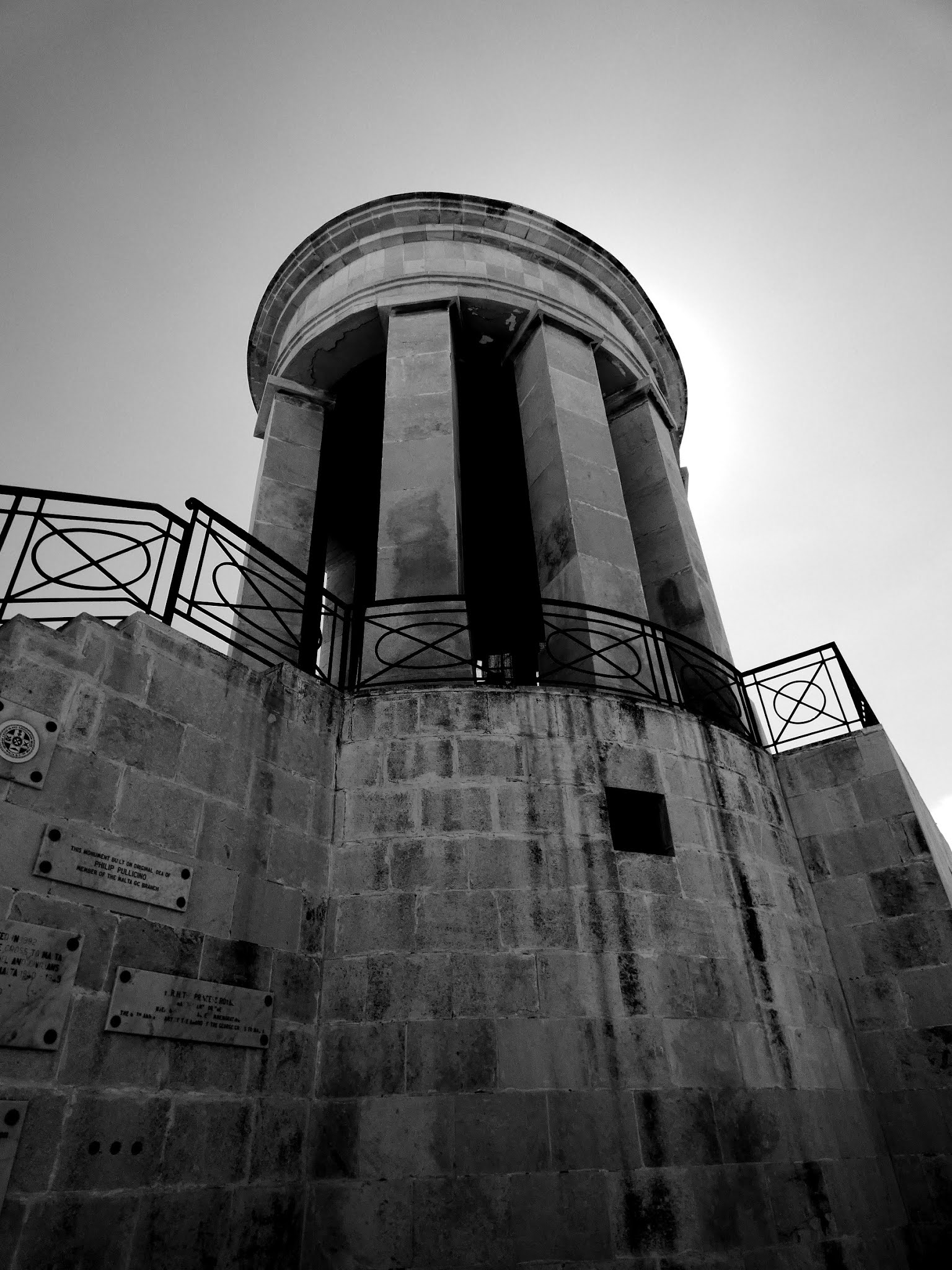
The Siege Bell War Memorial

Sincerely Loree: Siege Bell War Memorial, Valletta,  Malta


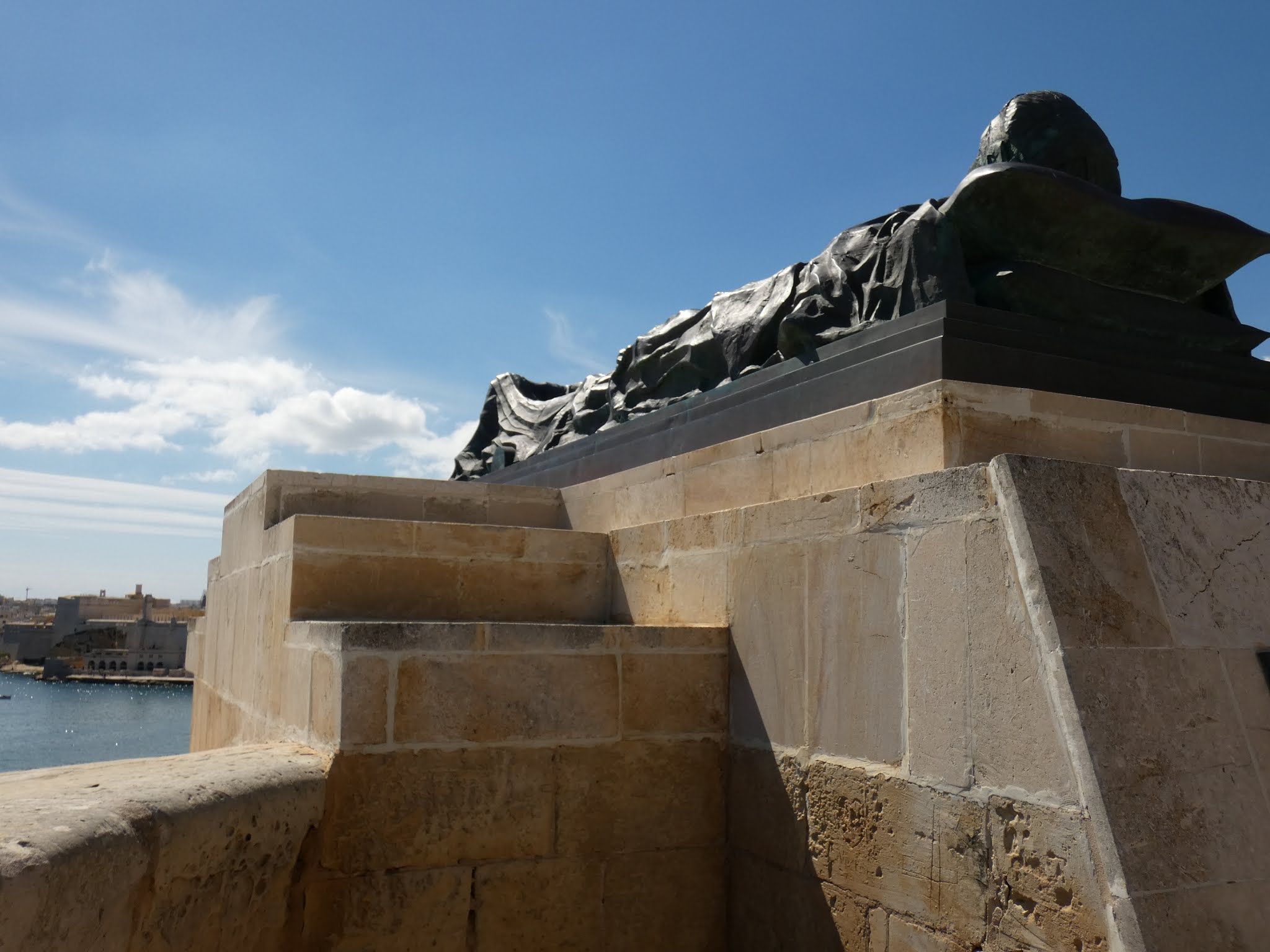
Our first stop was at the Siege Bell Memorial that is located right at the end of the peninsula on which Valletta is built. The Siege Bell Memorial was  inaugurated in 1992 by HM Queen Elizabeth II to commemorate the 50th anniversary since Malta was awarded the George Cross by her father, King George VI. Malta suffered heavy bombardments between June 1940 and the end of 1942 that resulted in the loss of 7000 civilians and servicemen and women. Malta emerged from the conflict as the most heavily bombed place in the world. If you're interested, you can read more about Malta's role in the conflict in this informative article by Conan White: The Island Everyone Wanted.
Sincerely Loree: Siege Bell War Memorial, Valletta,  Malta

The Siege Bell Memorial consists of a colonnaded belfry that surrounds a heavy bronze bell. The siege bell tolls everyday at noon in remembrance of the fallen. A reclining figure in bronze that protrudes over the parapet represents all the unknown dead.
Sincerely Loree: Siege Bell War Memorial, Valletta,  Malta

The Lower Barrakka Gardens

The Lower Barrakka Gardens are located just across the road from the Siege Bell War Memorial. They are smaller and more intimate than their counterpart, the Upper Barrakka Gardens that are located close to the Malta Stock Exchange and the Auberge de Castille, which houses the Office of the Prime Minister. 
Dominating the Lower Barrakka Gardens is a monument in the shape of a neo-classical Greek temple dedicated to Sir Alexander Ball, the first, and much-loved, Civil Commissioner of Malta.
Sincerely Loree: Sir Alexander Ball Memorial, Valletta,  Malta


 There are spectacular of Grand Harbour from both the Upper and Lower Barrakka Gardens, but the latter are generally more peaceful and secluded and a perfect place to wind down. The Lower Barrakka gardens are my favourite of the two.

Sincerely Loree: Lower Barrakka Gardens, Valletta,  Malta

Sincerely Loree: Lower Barrakka Gardens, Valletta,  Malta

Sincerely Loree: Lower Barrakka Gardens, Valletta,  Malta


The Other Valletta

After exiting the Lower Barrakka Gardens and crossing the road we plunged into one of the shady side streets intent on exploring this residential quarter, stopping every now and then to admire some architectural or quirky detail that stood out from its surroundings. I'm sure that, by now, you all know how small Valletta is, so it will probably surprise you to learn that I haven't ventured into these streets for many years (around 20 to be exact) and I definitely felt a bit like a tourist. The best thing is that, even though we were there during the first week of another semi-lockdown, this part of the city is quiet even on normal days and it is possible to walk around without too many interruptions. Here are a few of the things that caught my eye:

Niches and statues

When Valletta was being built, one of the requirements for prospective home owners was that houses on corner lots had to be embellished with niches or statues. These usually depicted religious figures like saints or angels. In the photos below you can see St Roque (Rocco) patron saint of dogs and dog lovers and protector against the plagues; and Michael the archange,l who is always depicted in his eternal struggle with Satan. (Here I would like to thank Niches of Malta who I follow on Instagram for enhancing my scant knowledge of Catholic iconography).
Sincerely Loree: Valletta,  Malta

Sincerely Loree: Valletta,  Malta


Balconies and doors

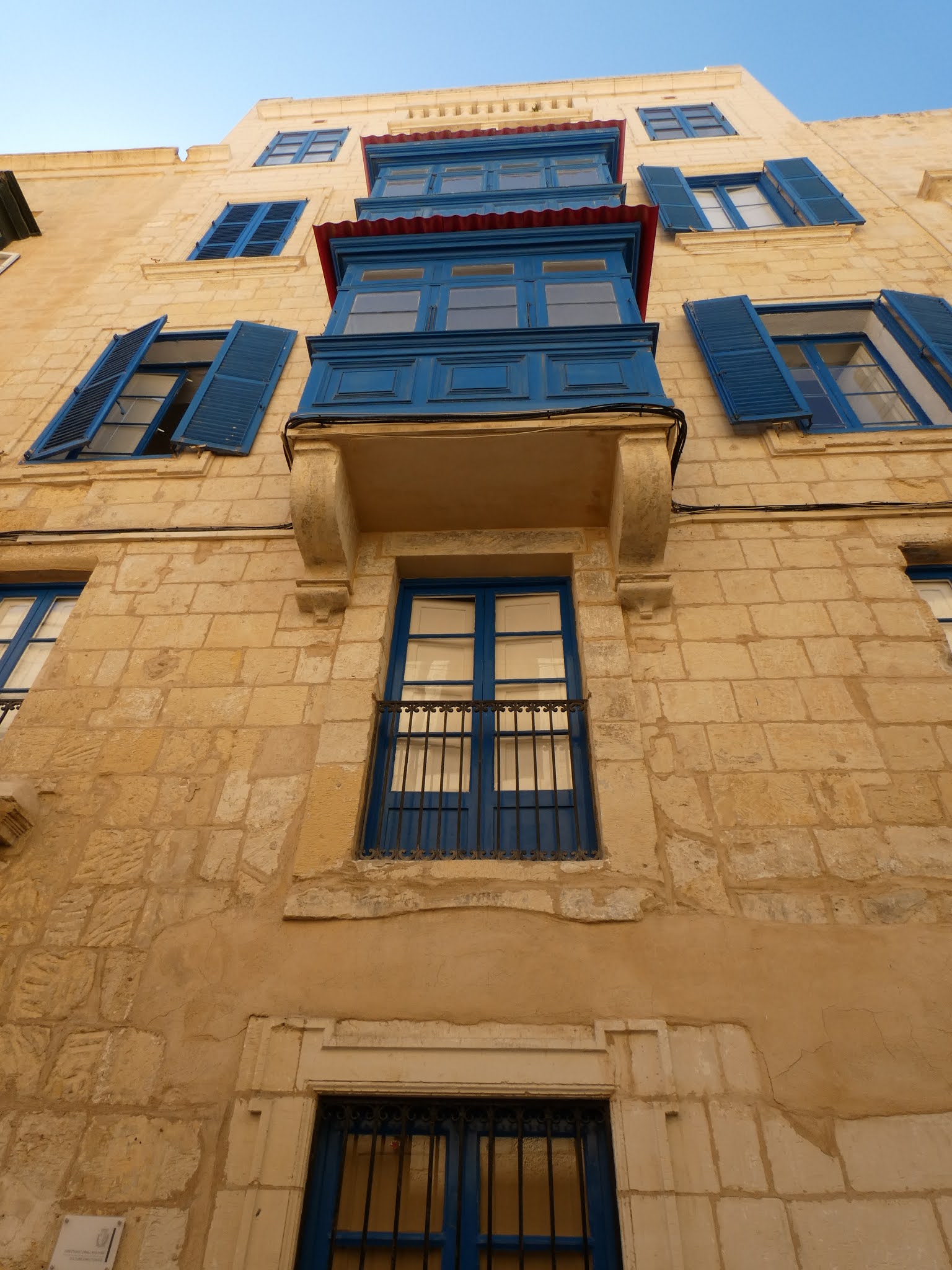
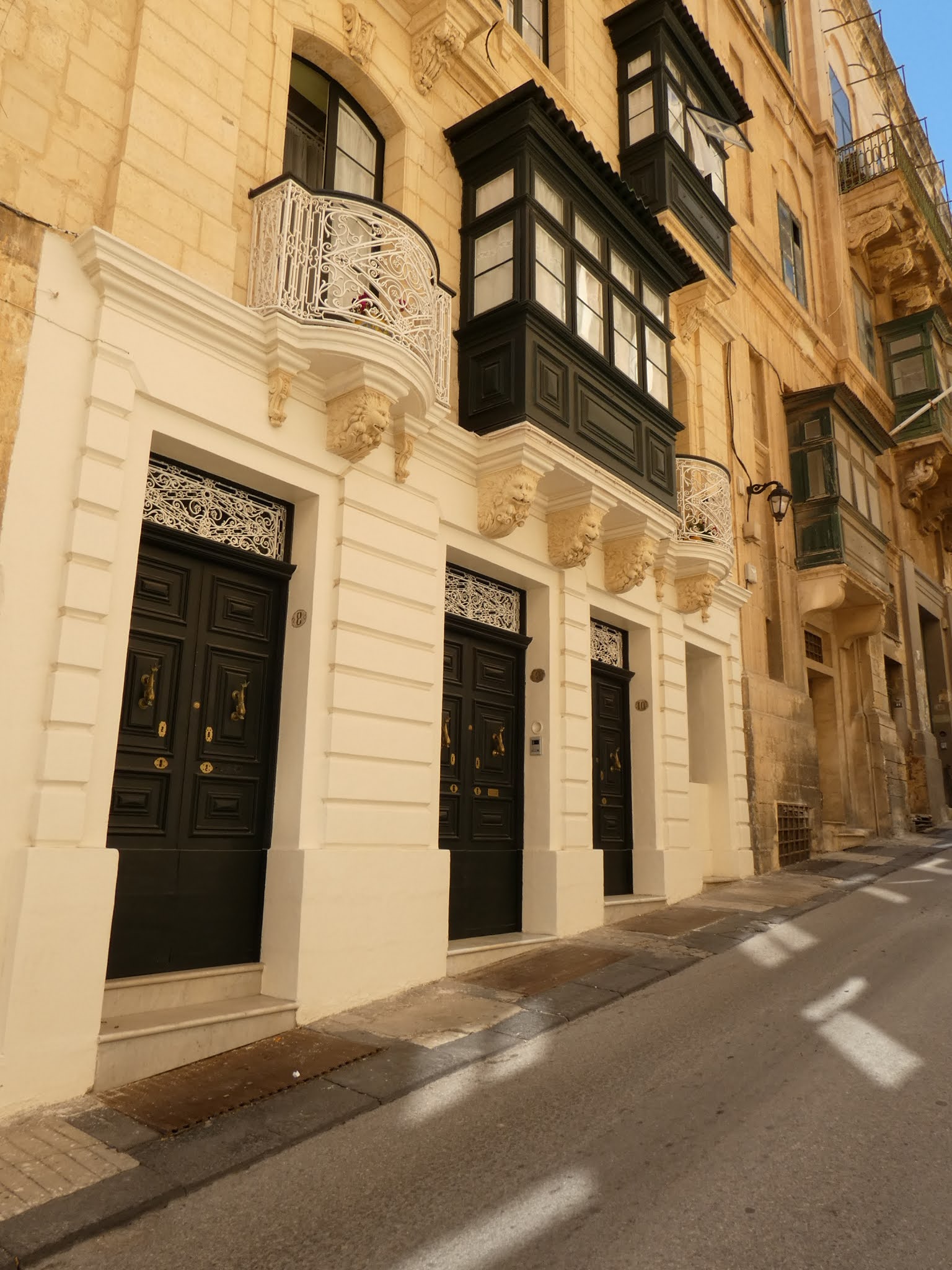
No house in Valletta is complete without the ubiquitous balcony. They come in all shapes, sizes and colours but some are more interesting than others. 

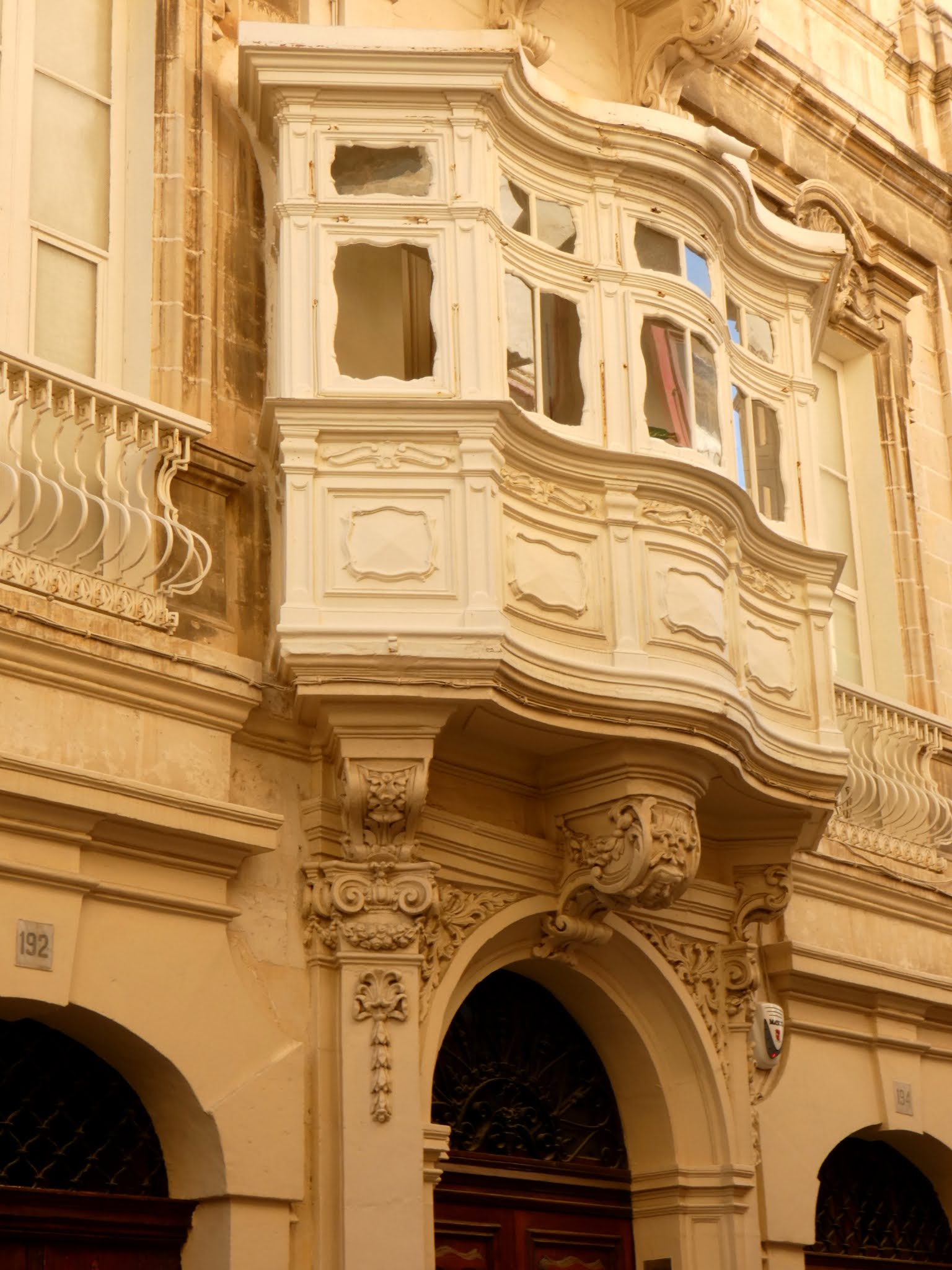
The balcony of this house, which was built in 1776 according to a  plaque over the front door, is very unusual in shape and I've never seen another  like it in Malta.
Sincerely Loree: Valletta,  Malta

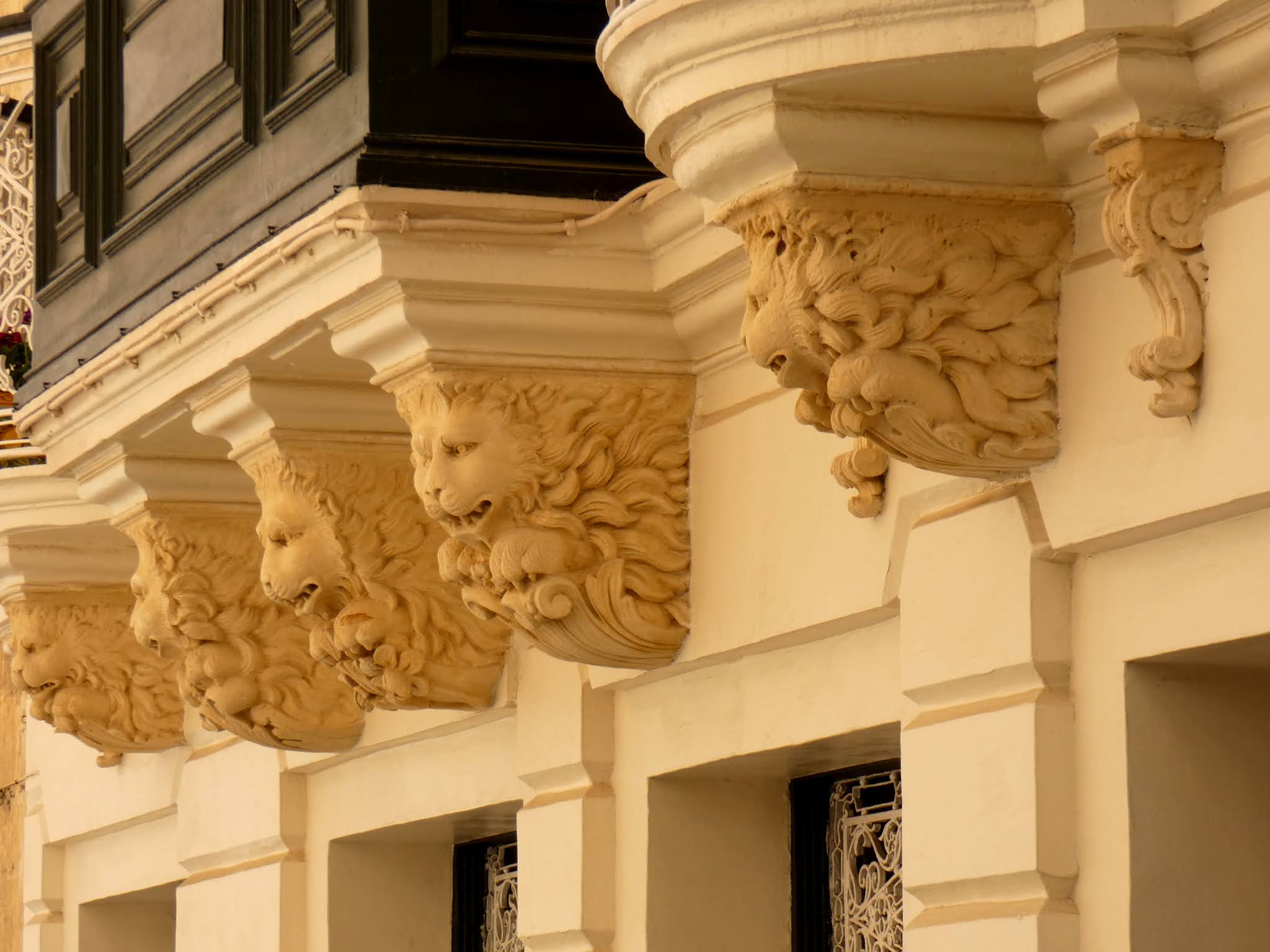
I also admired the exquisite details of these lion heads carved on the balcony supports of another house. I think they look very realistic and quite fierce.
Sincerely Loree: Valletta,  Malta

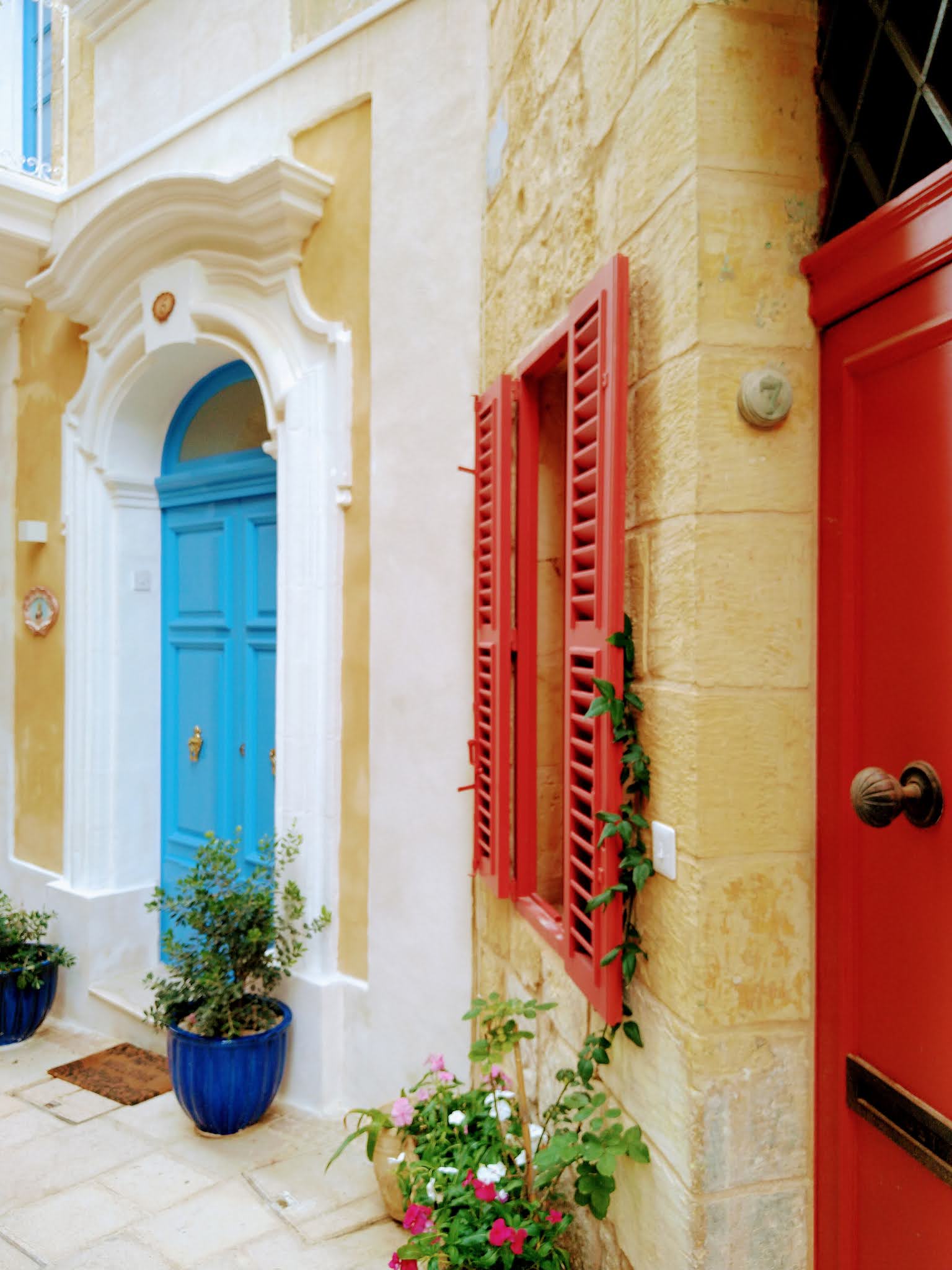
This part of Valletta is not lacking in colour and many doors, window frames and shutters are painted in deep hues that create a vivid contrast when compared to the paler colour of the local limestone. 
Sincerely Loree: Valletta,  Malta

Sincerely Loree: Valletta,  Malta

Sincerely Loree: Valletta,  Malta

Although some shops and houses in this area have been abandoned for years, others are newly renovated, resulting in an interesting mixture of patina and freshness.

Sincerely Loree: Valletta,  Malta

Sincerely Loree: Valletta,  Malta

Sincerely Loree: Valletta,  Malta

Sincerely Loree: Valletta,  Malta

Sincerely Loree: Valletta,  Malta

Casa Sotto

Sincerely Loree: Casa Sotto, Valletta,  Malta

By now it was past noon and we were feeling really hungry so we walked to Casa Sotto in Archbishop Street for a 'pinsa romana' (thankfully they are open for take-away). Pinsa is a salty focaccia of Roman origins which  is rectangular or oval in shape and that is said to be descended from a recipe of ancient Rome. In reality, it is a flatbread that comes in a variety of different toppings. It doesn't get better than that, in my opinion, and to have a little bit of Rome in the heart of Valletta is just sublime.
Sincerely Loree: Casa Sotto, Valletta,  Malta

And today I will leave you with this endearing photo of one of  Valletta's cats that looked like it had just discarded a cigarette butt. I hope you enjoyed this little tour of the 'other' Valletta..
Sincerely Loree: Valletta,  Malta

Location: Valletta, March 2021

More about Valletta:

Instagram

Sincerely, Loree. Theme by STS.