Wednesday, 1 November 2023
It was a beautiful spring day in late April when we visted Buda. The sun shone from a cornflower-blue sky and a pleasant wind playfully ruffled our hair. The conditions were perfect for exploring a new place and as soon as the tram set us down, I realised that Buda had its own charms which would have worked their magic on me even under a grey and stormy sky.
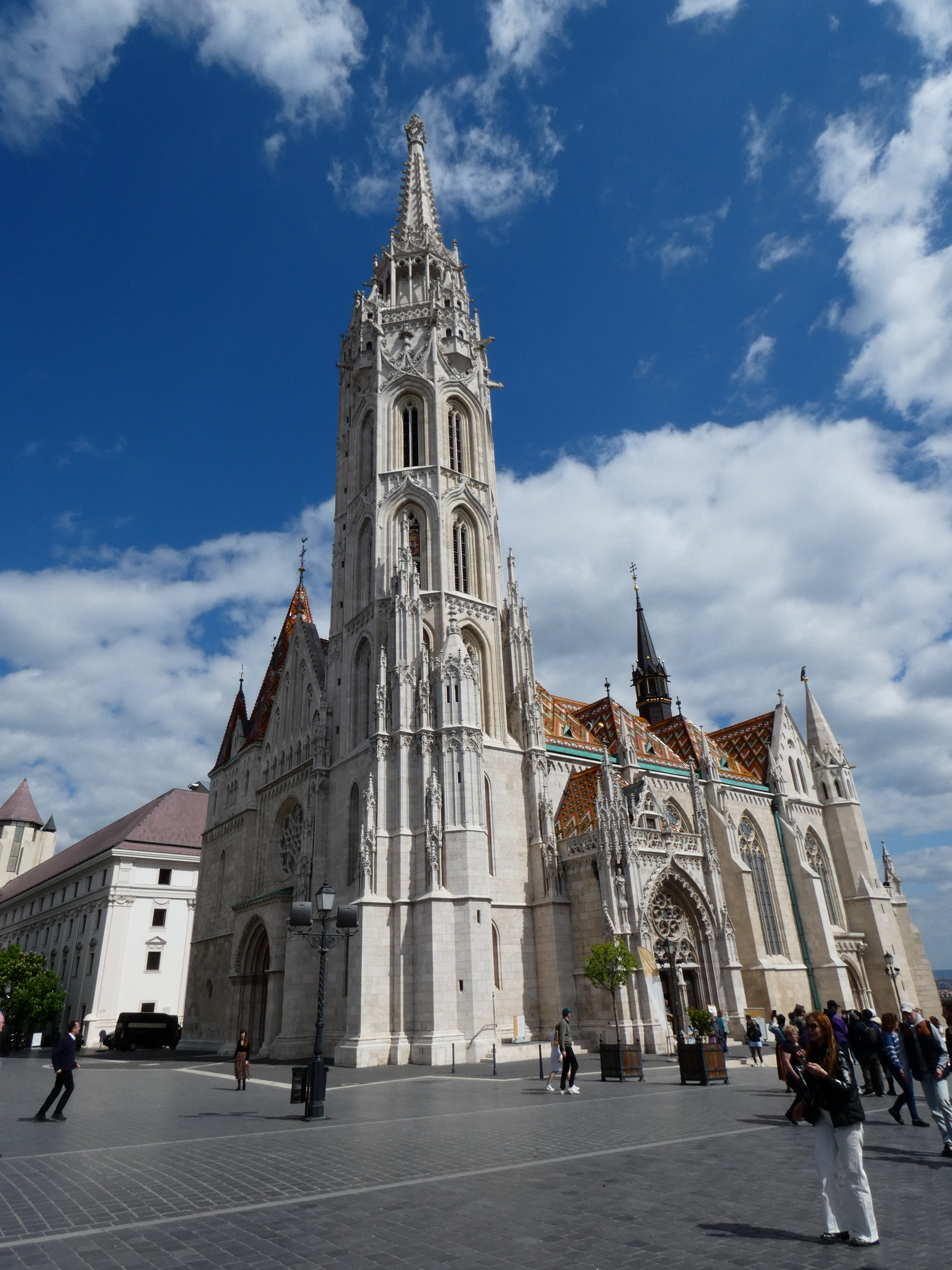


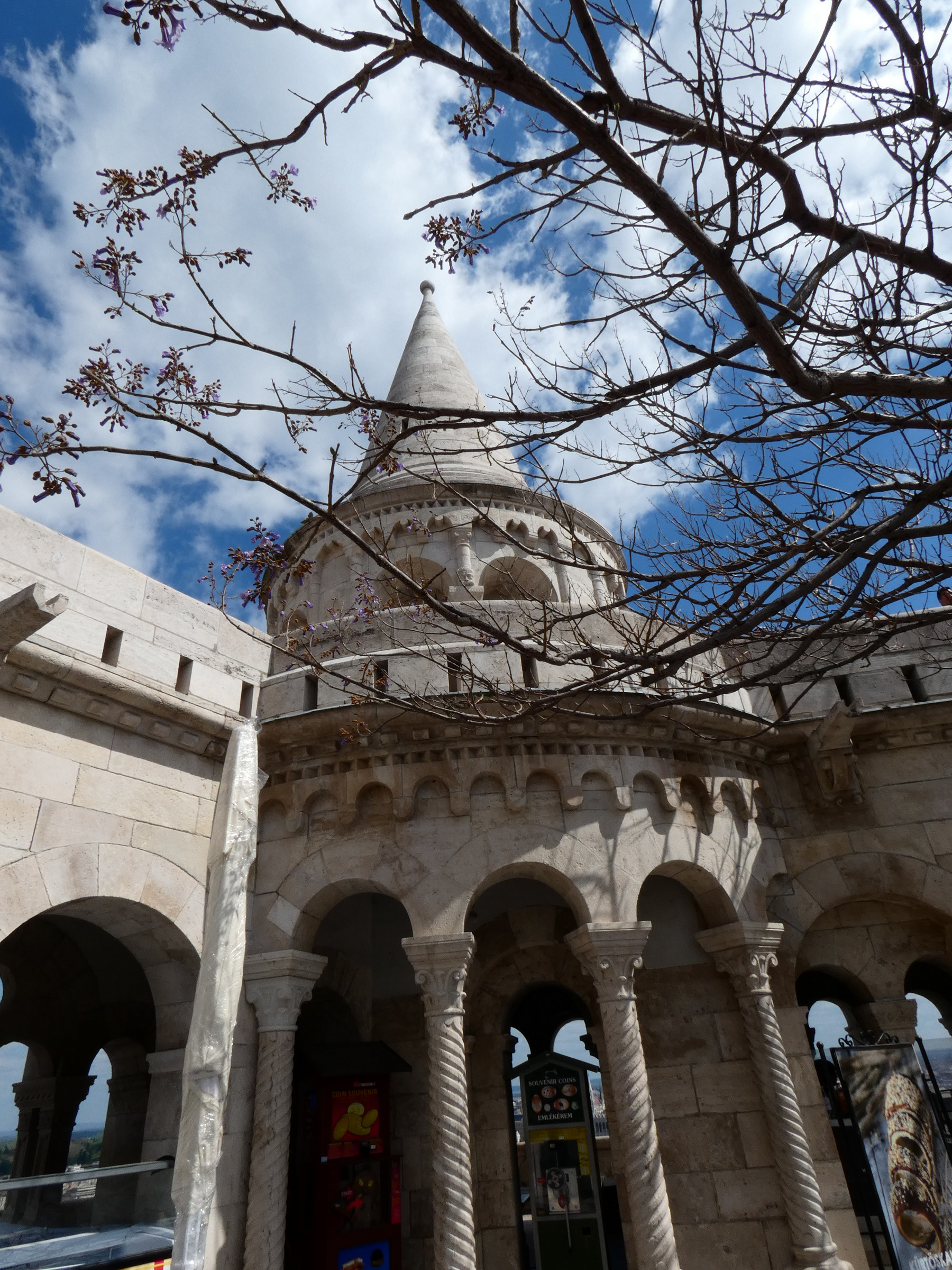
Unlike busy, hectic Pest, Buda felt like a peaceful backwater of cobbled streets, pastel houses and Gothic spires. Our wanderings didn't take us very far, as we preferred to stay in the historic Castle District. So we walked and stopped to take photos, hundreds of them (no surprise there); we explored and did the things that visitors do: gazed in awe at the dazzling white loveliness of Matthias Church and spent too much time wandering around the delightful decorative fortification known as Fisherman's Bastion. From there we gaped at the stunningly beautiful Hungarian Parliament across the Danube in Pest.


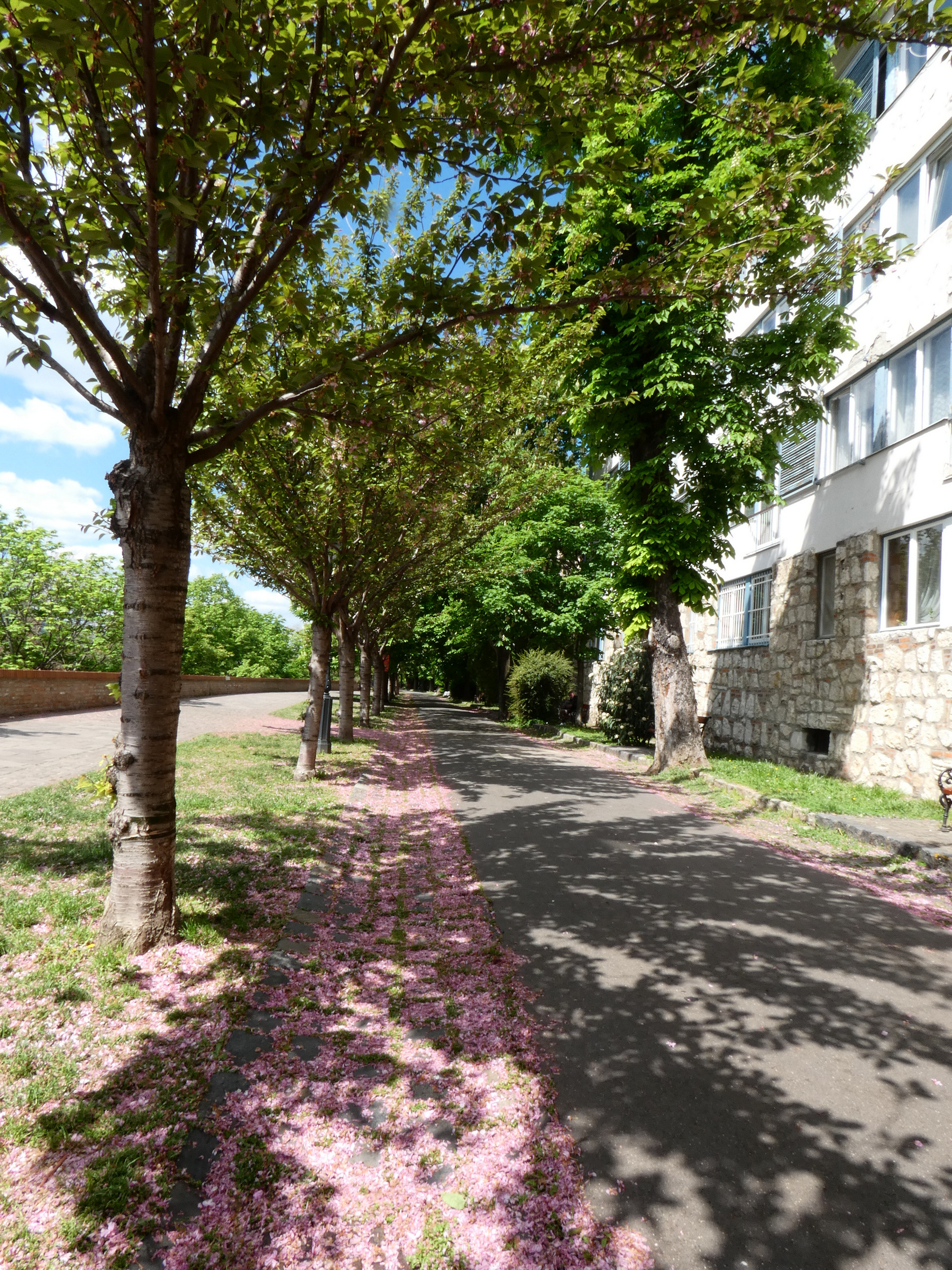
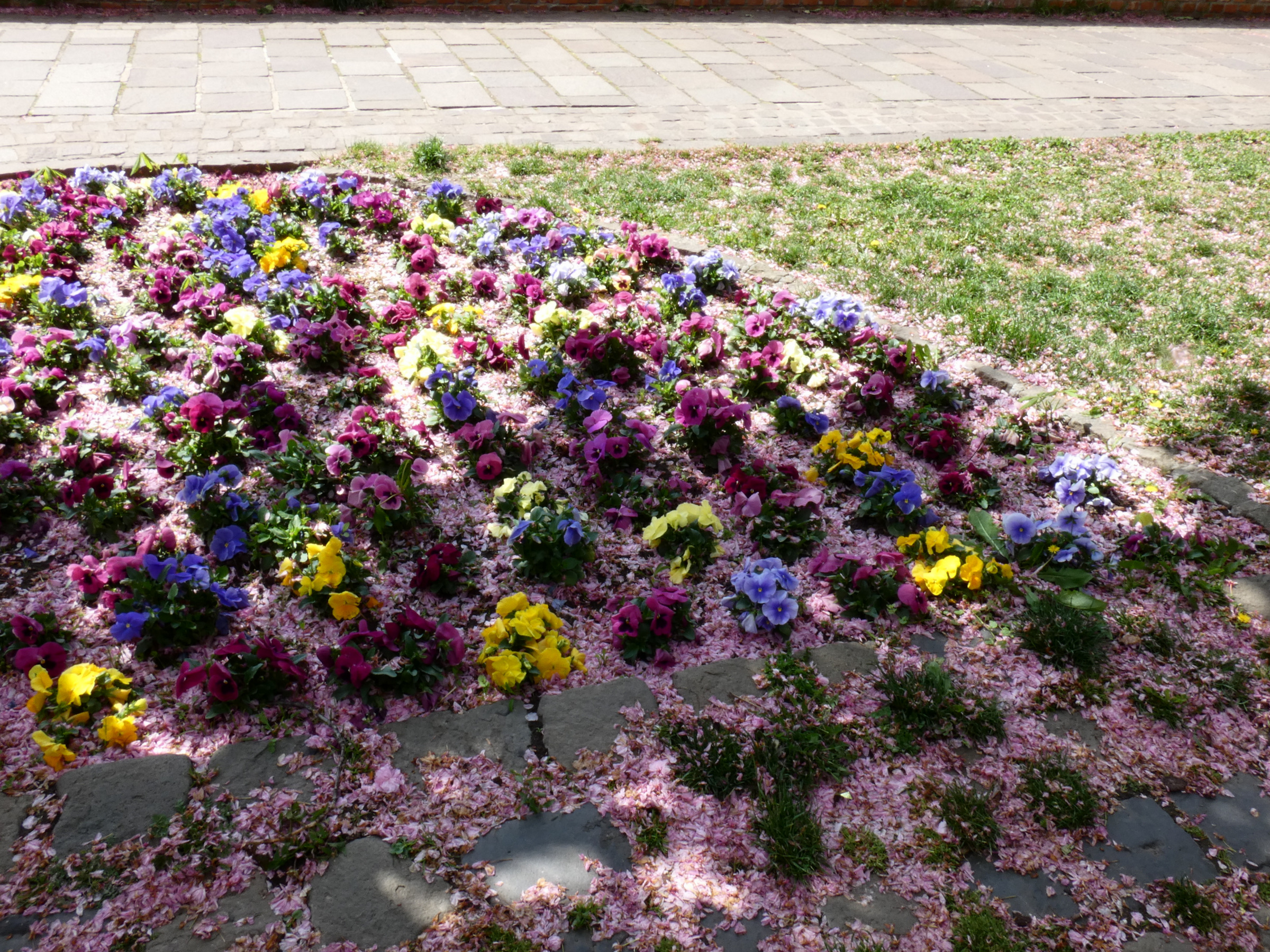
Then we walked a bit more. A little ways away we discovered a quiet park with more wonderful views and walked on a carpet of pink and lilac petals, strewn on the ground like confetti at a wedding. We were almost the only ones there and it felt so dreamy, especially when the bells of Matthias Church chimed out at noon.
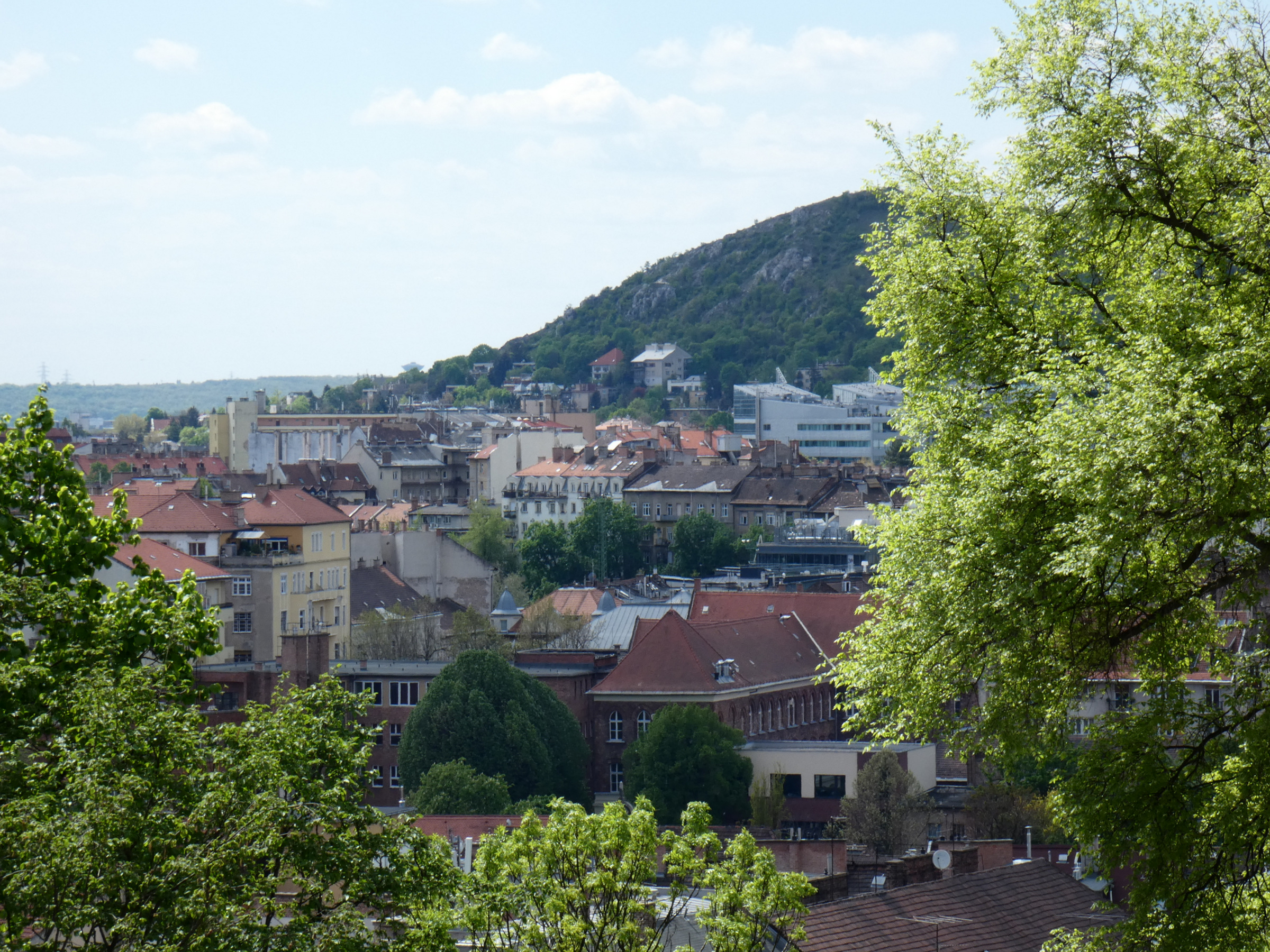
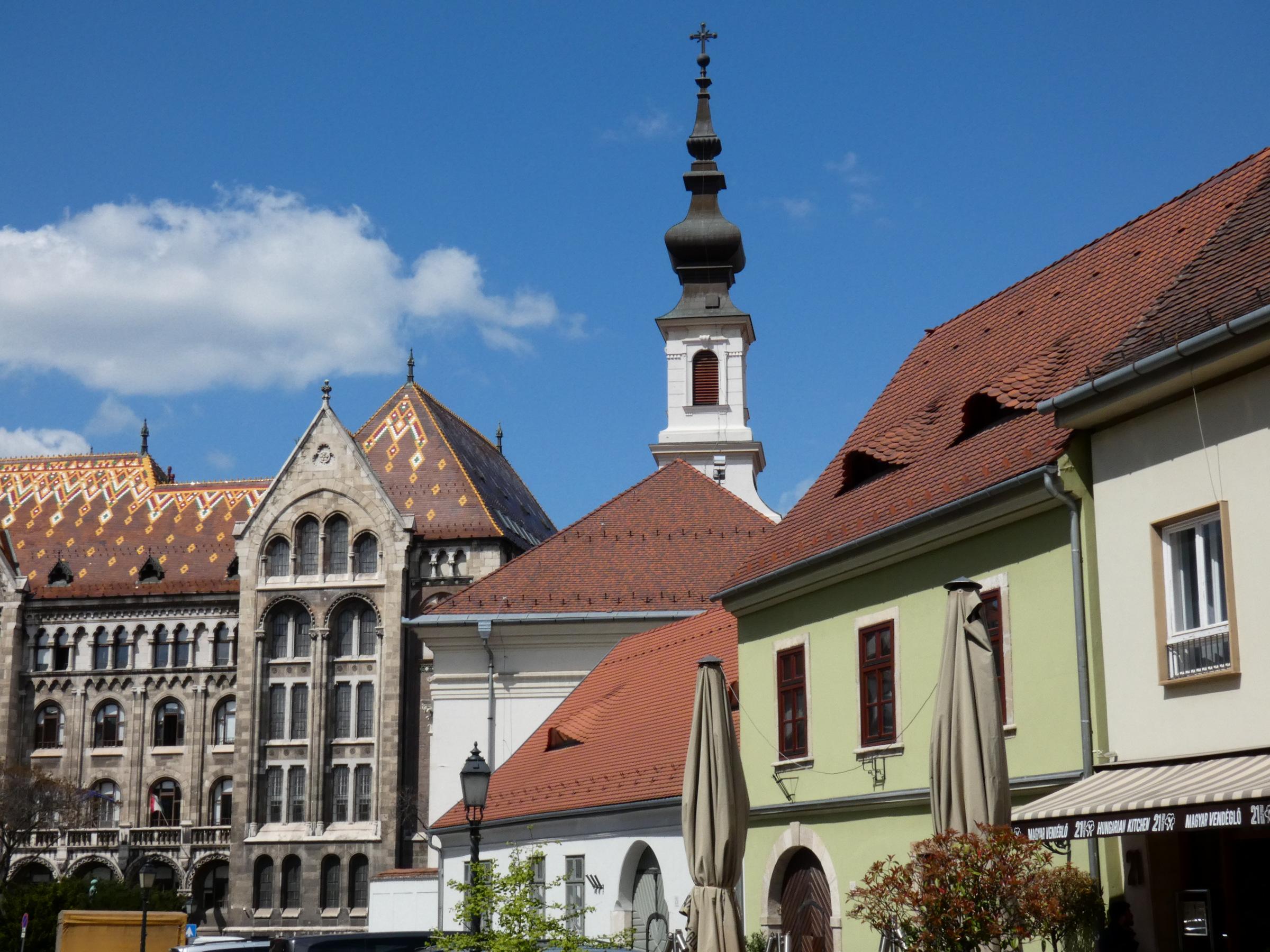
A little later we discovered a church tower in which Rapunzel would have felt at home and I couldn't help being fascinated by the colourful mosaic tiles that decorated the slanting roofs of so many of the buildings in Buda. It's enchanting and slightly magical. The fairy-tale references were coming fast and hard in my head but I will spare you my comparisons of buildings in Buda to my childhood Ladybird books, illustrated with scenes that seemed to have been inspired by this fascinating city.


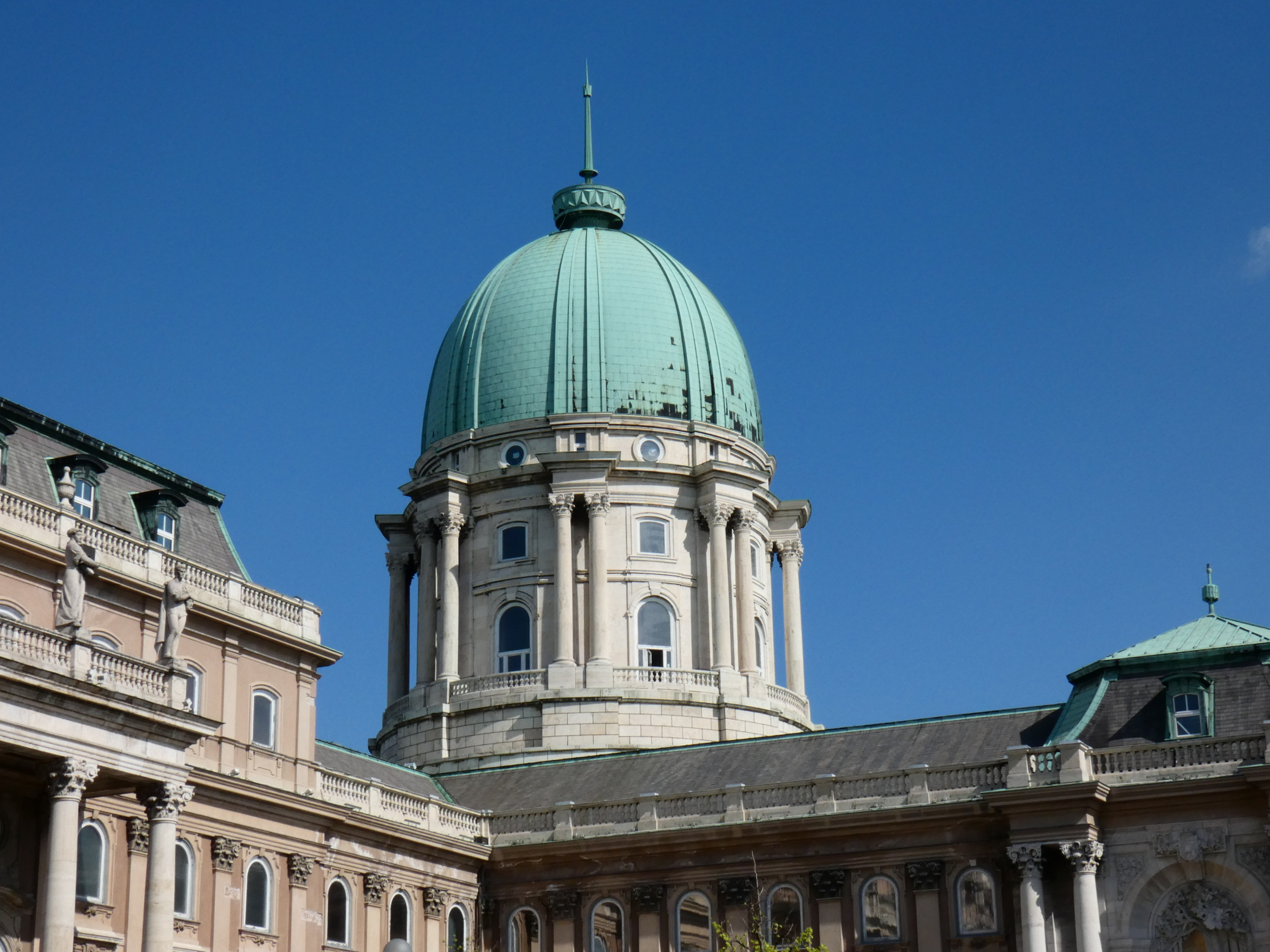
We ended the day in Buda Castle, the historical castle and palace of the Hungarian kings since medieval times. The castle complex is now dominated by the royal palace, a Baroque structure that was built in the mid-18th century. While much of the royal palace was destroyed during WW2, it was rebuilt in a simplified Stalinist Baroque style. While I admit to being slightly disappointed that I wasn't gazing at the same palace in which the Hungarian kings and, later, the Austrian Hapsburg emperors frolicked, the current edifice is still architecturally striking and imposing.


There is much to explore in the castle complex and a lot of history to take in but we had some other sights to see before the sun set. As we walked to our tram stop, I was struck again by the pretty colours of Buda, its rich and varied history, and the peaceful relaxed ambiance that made walking its colourful streets one of the main highlights of our visit.

Location: Buda, Hungary
April 2023
Tuesday, 10 May 2022
|
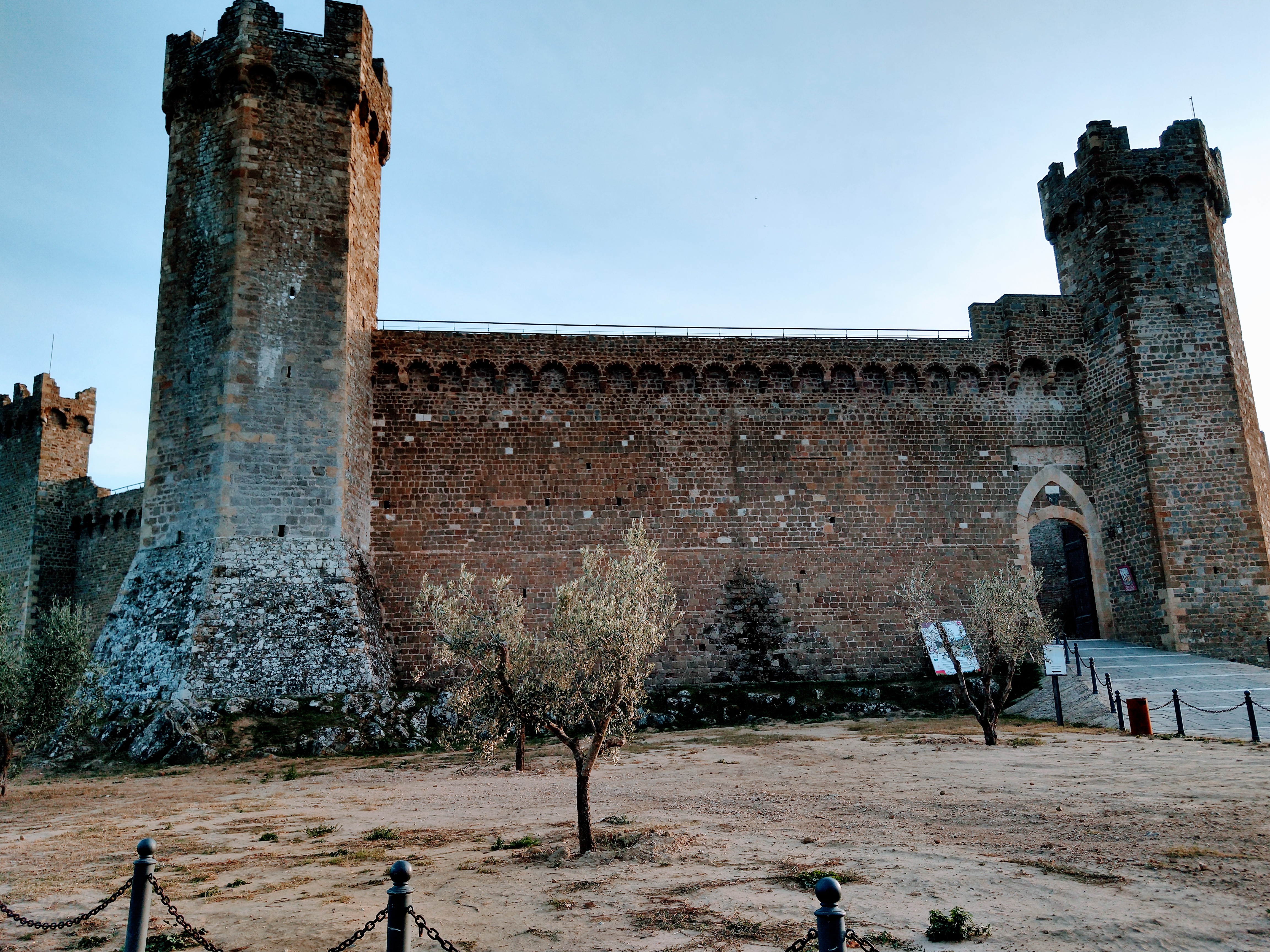
We arrived in Montalcino about an hour before sunset, after a day spent visiting Asciano, the Val d'Orcia and Pienza. Montalcino is a hilltop town set within fortified walls and guarded by an imposing castle. We chose to park our car just outside the walls of this impressive fortress known as la Rocca di Montalcino. I'll talk more about the Rocca later but, of you're looking for stunning views, then make sure to visit the fortress and look out over the expanse of the Val d'Orcia and the surrounding countryside.
From the fortress it is an easy, if steep, downhill walk to the picturesque historic centre where the most famous landmarks of this small town are located.
Montalcino's Landmarks
The Fortress of Montalcino
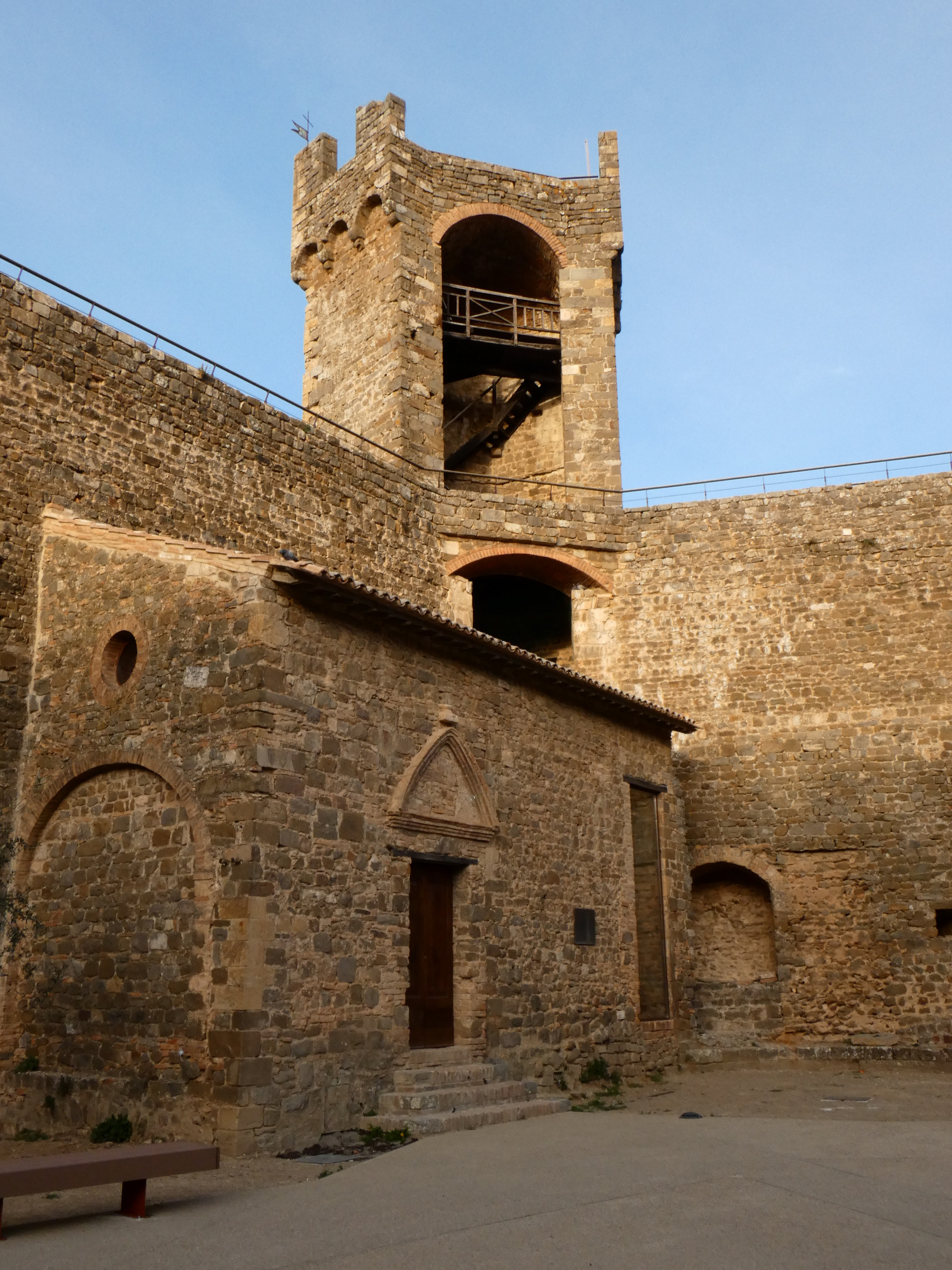
This mighty fortress with its huge walls and turrets dates back to 1361. It was built at the highest point of the town and remains relatively intact. It is shaped like a pentagon and used to be the seat of the Abbot of the nearby Abbey of Sant'Antonio. Some additions were made to the structure around 1500 by Cosimo de Medici and restoration works were carried out in the 1930s. It has a large internal garden that is open to the public (free of charge).
Palazzo dei Priori
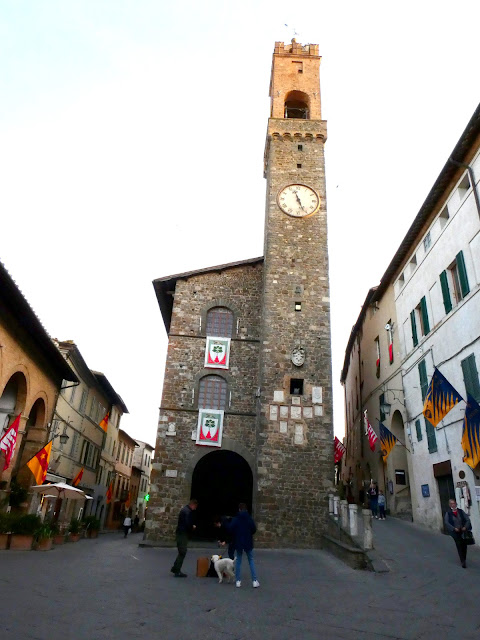
Palazzo dei Priori and its clock tower are located in Piazza del Popolo, the main square of the town. Also in this square is a Gothic loggia with 6 arches and a host of pretty shops and boutiques.
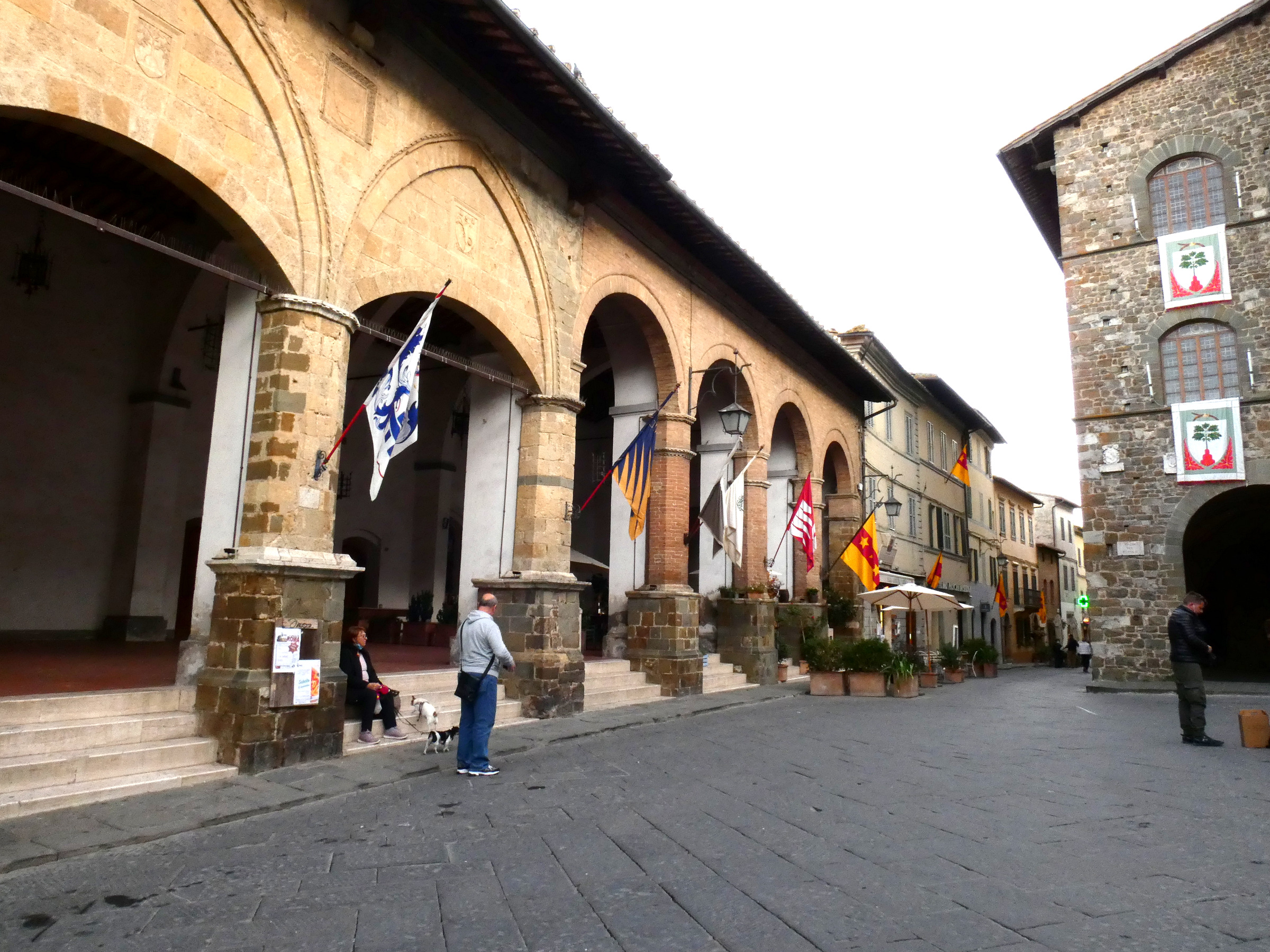
Church of Sant'Agostino
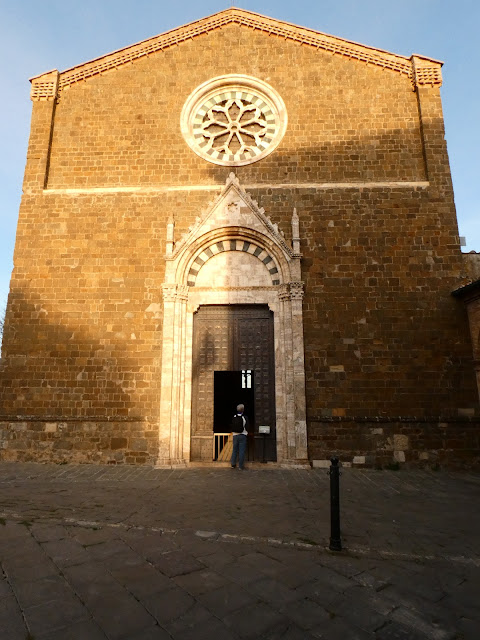
This small church was founded by the Augustinians in 1227 and rebuilt in 1380 in the Romanesque style.
Church of La Madonna del Soccorso

The church of La Madonna del Soccorso, which was built across the centuries, is made up of a number of different architectural styles. The bell tower is from 1625 and the facade was completed in the 19th century. The church is situated at the edge of the town and we spent a lovely half hour taking photos of the views (again), the leaves with their pretty autumnal colours and the gorgeous sunset, from a vantage point located in the grounds behind it. I have shared photos of the leaves which so captured by heart in a post I wrote late last year in the run-up to Thanksgiving and which was aptly titled Giving Thanks.
The Duomo of San Salvatore

Although this church looks much older, it was built between 1818 and 1832 in a neo-classical style. It replaces a much older church from the 14th century. The current church of San Salvatore was constructed from materials that were taken from a medieval Romanesque church and reused.
Montalcino's Claim To Fame
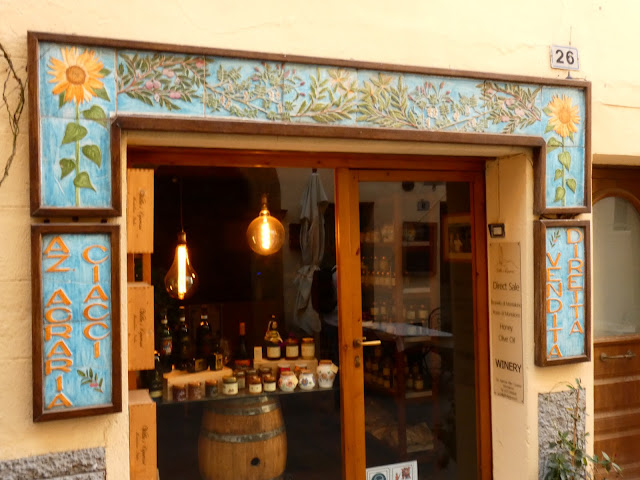
Montalcino is famous for its wine. Perhaps you have already heard of, and tasted, the Brunello di Montalcino. This wine is aged for 5 years, 2 of them in oak barrels. The Rosso di Montalcino is ready after one year of ageing. We are generally not red wine drinkers as we find them a bit too full-bodied for our taste so we did not partake in any of the wine-tasting opportunities that are available at most of the enoteche (wine bars) scattered around the town.

What I Loved About Montalcino
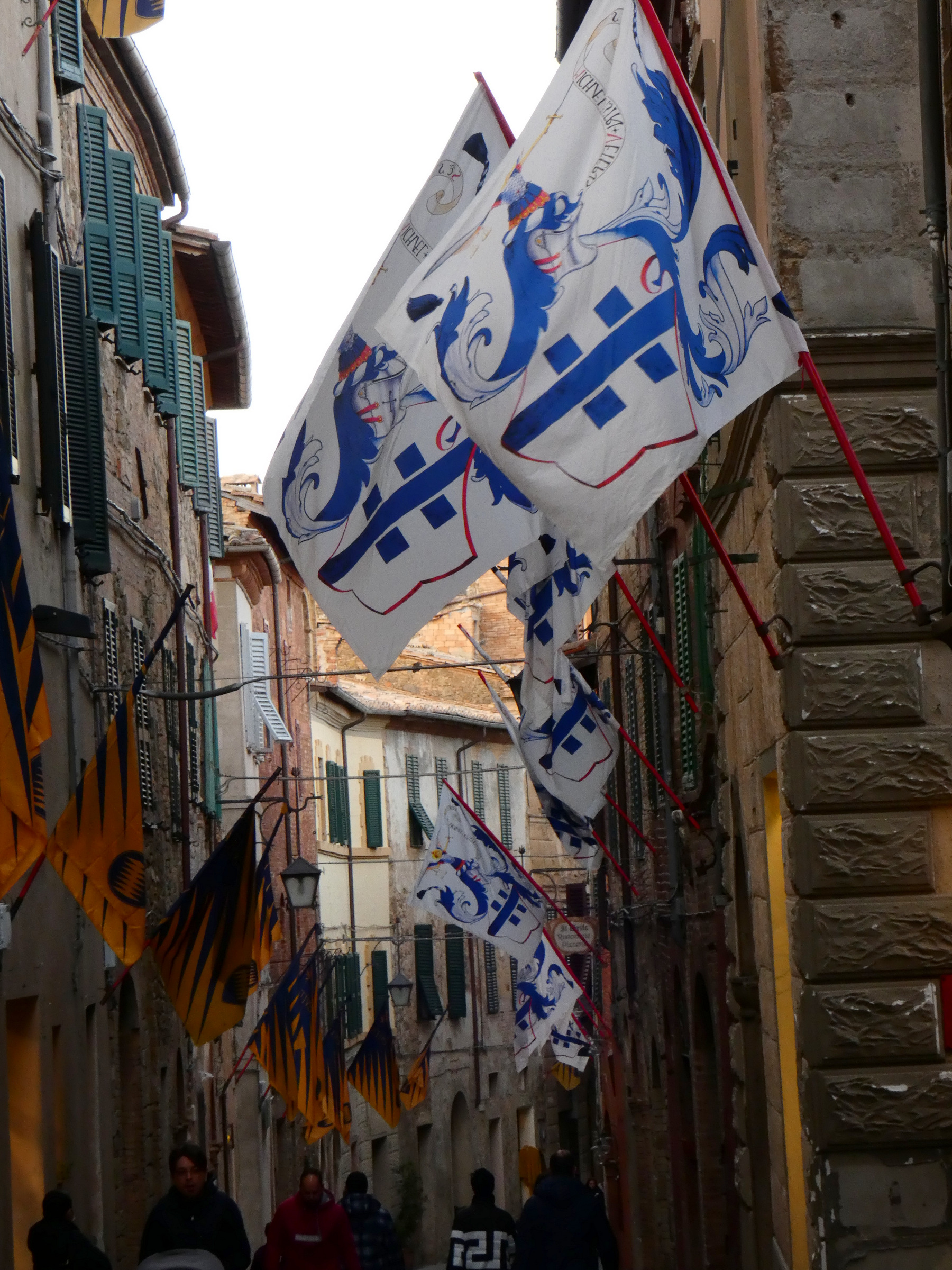
A brief stroll around town revealed that Montalcino is a pretty place with many of its narrow streets decorated with flags of the different contrade. It has a distinctly medieval feel that is enhanced by the lack of cars in the city centre. Its history dates back to Etruscan and Roman times, which seems to be common with many other places in Tuscany. The name of the town is derived from 'mons ilcinus' (holm-oak mountain).
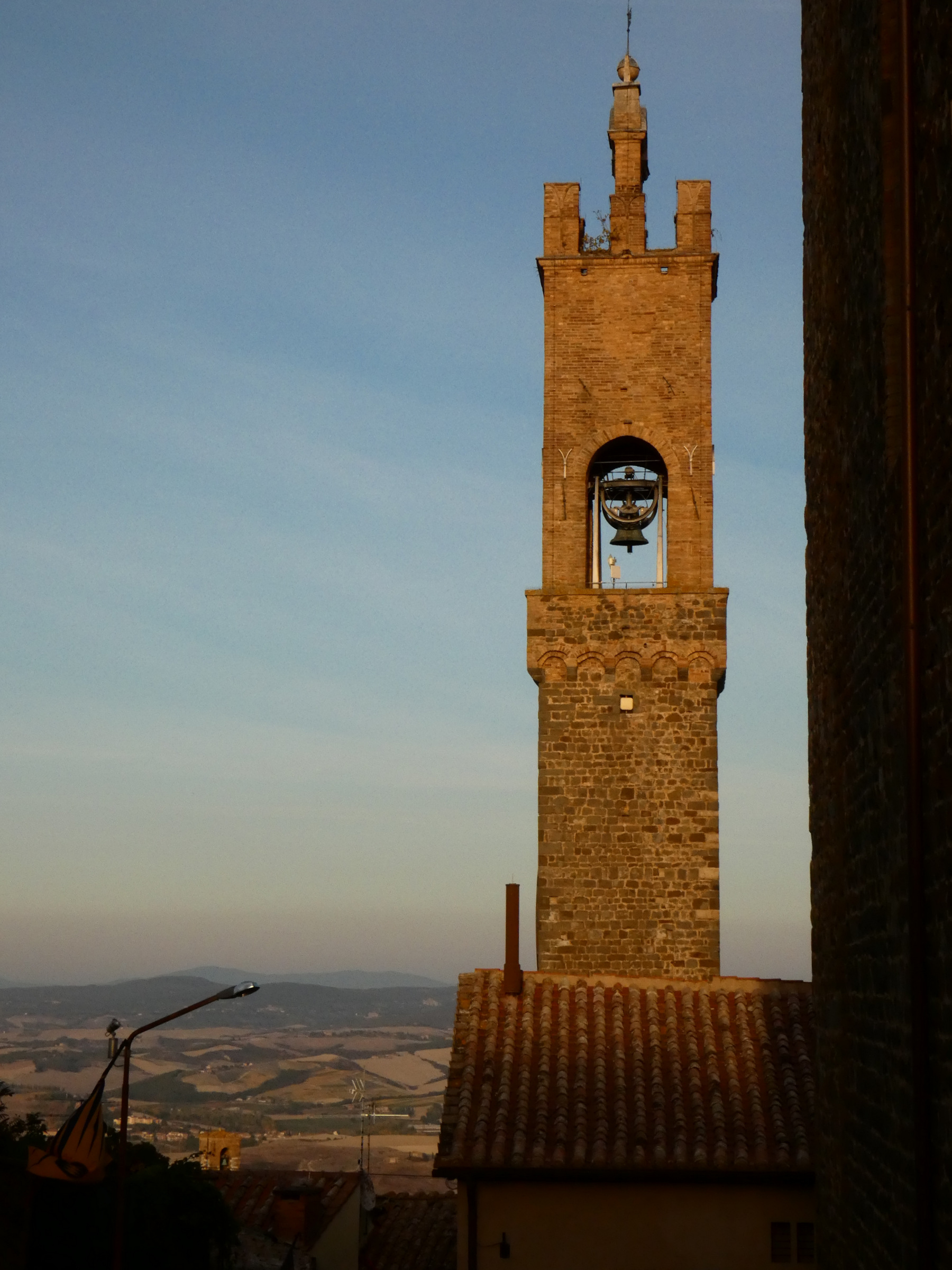
Montalcino was independent until the 12th century when it came under the rule of Siena. In the mid-1500s it fell under the jurisdiction of Florence and the ruling Medici family. Those infamous Medicis were associated with many towns and cities in Tuscany and it is not difficult to notice that they were both very powerful and influential. And very rich.
 |
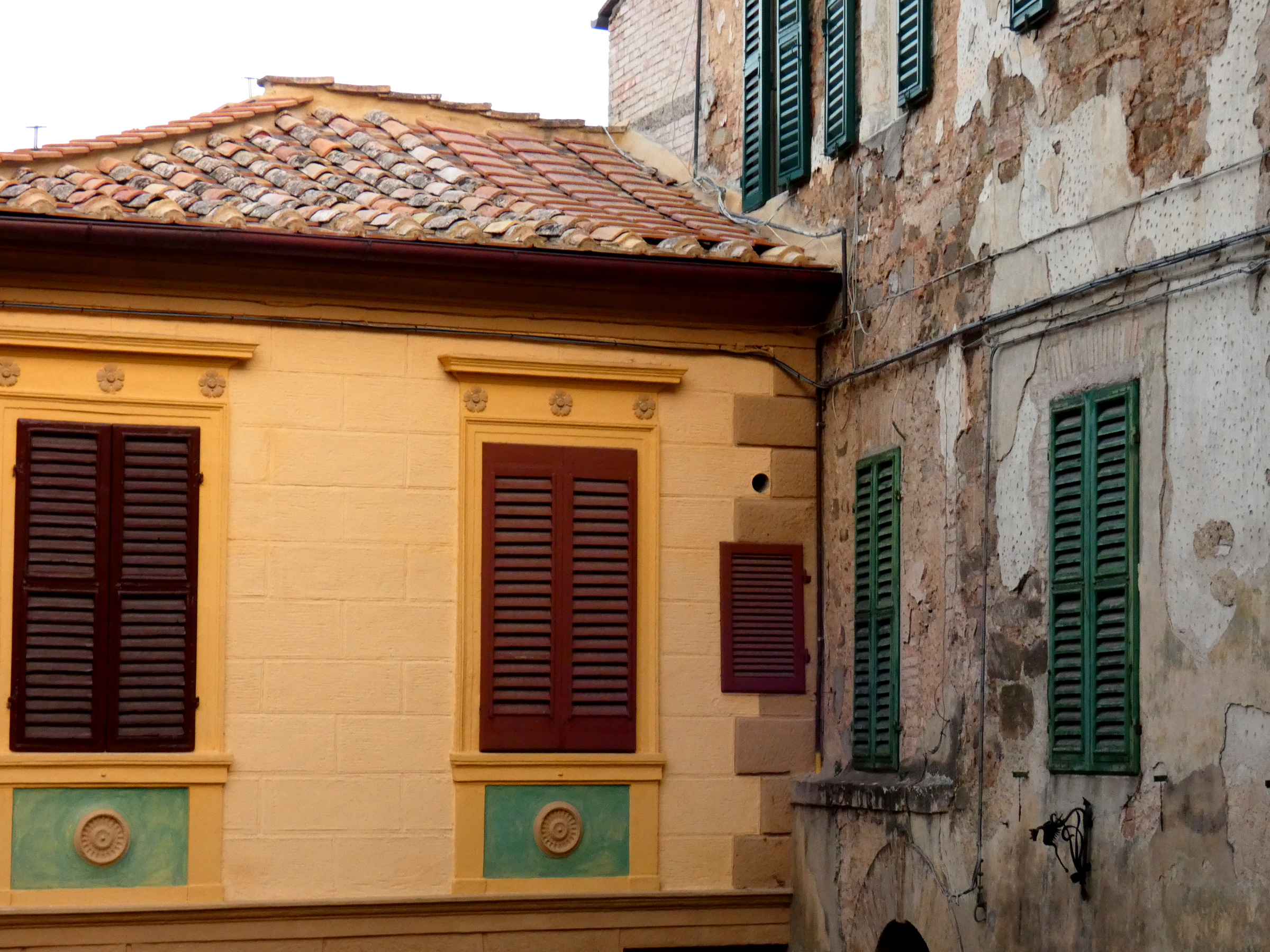


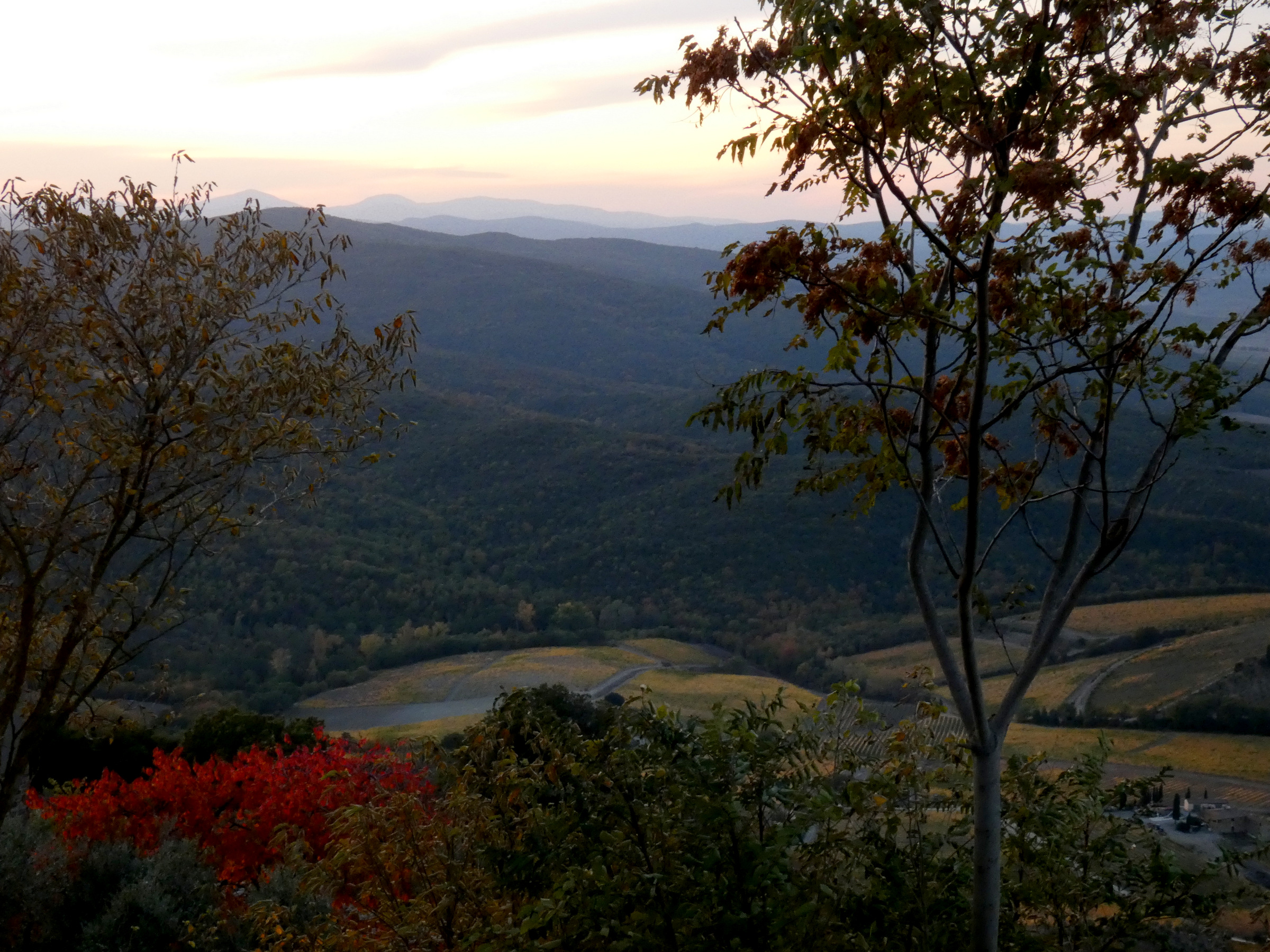
But I don't want to feel like a tour guide, rattling off dates, dropping names and trying to make sense of all the architectural styles without really showing you why Montalcino is worth visiting, apart from its churches and history. So, instead of trying, and failing, to find adequate words, because no words can quite do justice to the heart-wrenching beauty that is Tuscany, I will let my photos do the talking.
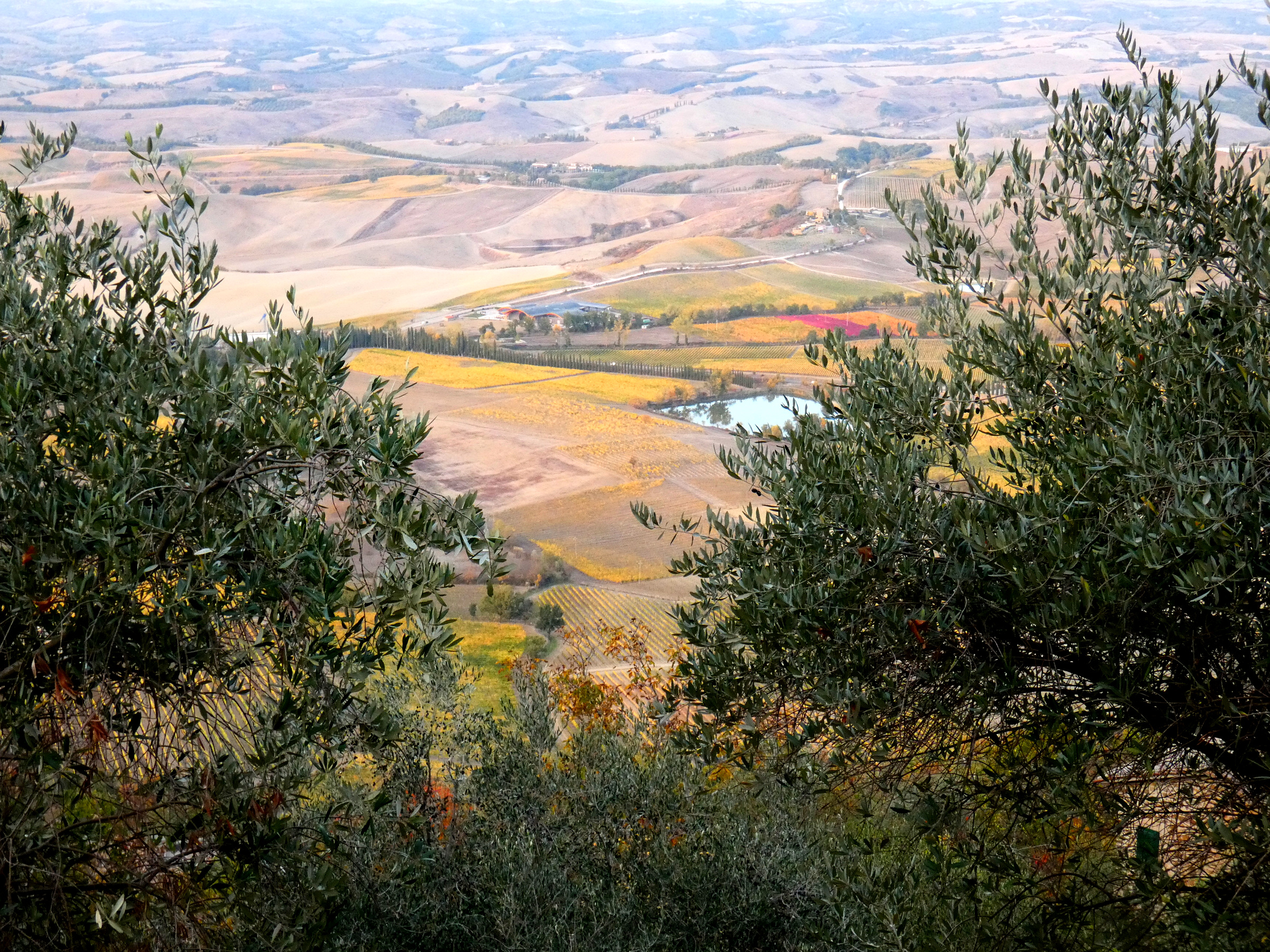


And if I have one enduring memory of Montalcino, it is of the sun setting behind the Tuscan hills, painting the sky in soft pastels, while the air turned slowly colder, the first lights went on in the farmhouses below and smoke curled gently out of a chimney. The silence was only broken by the twittering of birds and by a mother calling her family to supper. It was a simple, mundane moment that is frozen in time and could have easily been forgotten. But it is a moment, together with the feeling of peace that pervaded the air and which cannot be captured in a photo that, somehow, I know I will never forget.


More about Tuscany (in case you missed them):